








What's Happening?
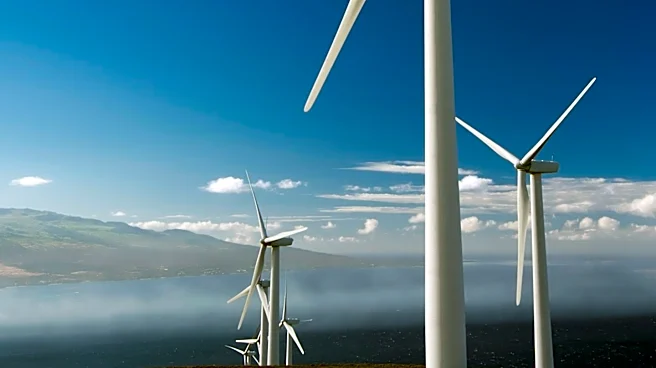
In 2025, global renewable energy sources like wind and solar surpassed gas in electricity generation for the first time, accounting for 22% of global electricity. However, in the U.S., President Trump's administration reversed several environmental policies,
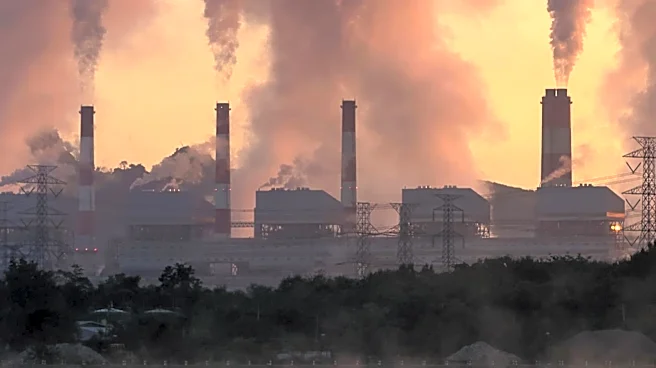
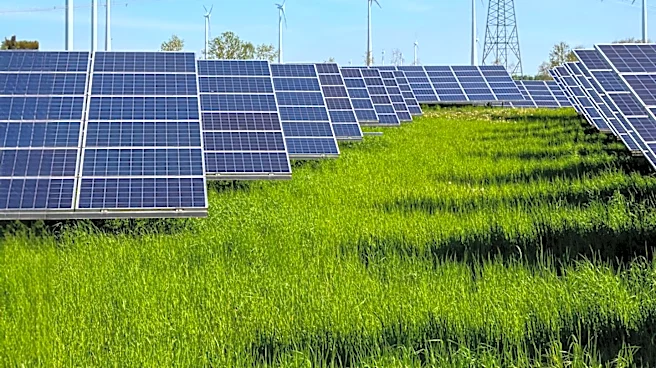
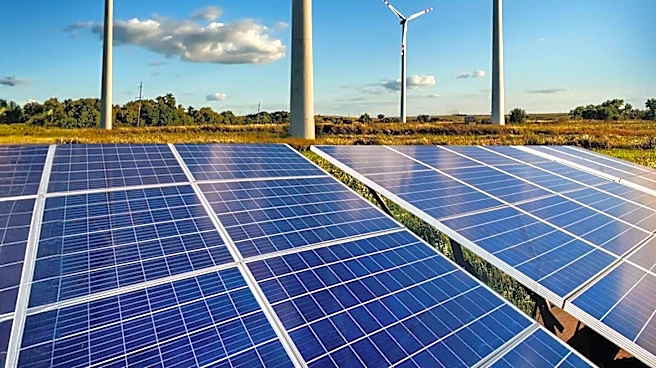
including withdrawing from the Paris Agreement and reducing renewable energy subsidies. This policy shift led to the cancellation or inactivity of 7 gigawatts of renewable projects on federal lands, with an additional 92 gigawatts at risk. The changes threaten over $121 billion in renewable energy investments, impacting solar, wind, and energy storage projects. Despite global advancements, the U.S. saw a significant rise in fossil fuel production and consumption, with increased subsidies for oil, gas, and coal.
Why It's Important?
The U.S. policy reversal under President Trump has significant implications for the renewable energy sector. The withdrawal from international agreements and reduction in subsidies could slow the country's transition to clean energy, affecting its ability to meet climate goals. The potential loss of $121 billion in investments could hinder technological advancements and job creation in the renewable sector. Additionally, the increased focus on fossil fuels may lead to higher carbon emissions, impacting global efforts to combat climate change. The U.S.'s stance could also influence other countries' energy policies, potentially slowing global progress towards sustainable energy solutions.
What's Next?
The future of U.S. renewable energy investments depends on policy changes and government support. Stakeholders in the renewable sector may lobby for policy reversals or new legislation to support clean energy initiatives. The upcoming elections could also play a crucial role in determining the direction of U.S. energy policy. Internationally, other countries may continue to advance their renewable energy agendas, potentially leaving the U.S. behind in the global energy transition. The development of ocean energy technologies presents an untapped opportunity that could be explored further if policy support is reinstated.
Beyond the Headlines
The shift in U.S. energy policy under President Trump raises ethical and environmental concerns. The increased reliance on fossil fuels contradicts global efforts to reduce carbon emissions and combat climate change. The policy changes also highlight the tension between economic interests and environmental responsibilities. Long-term, the U.S. may face challenges in maintaining its leadership in the global energy market if it continues to prioritize fossil fuels over renewables. The situation underscores the need for a balanced approach that considers both economic growth and environmental sustainability.