



What's Happening?
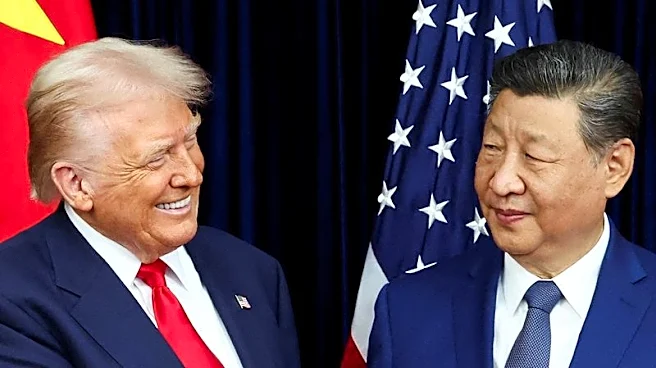
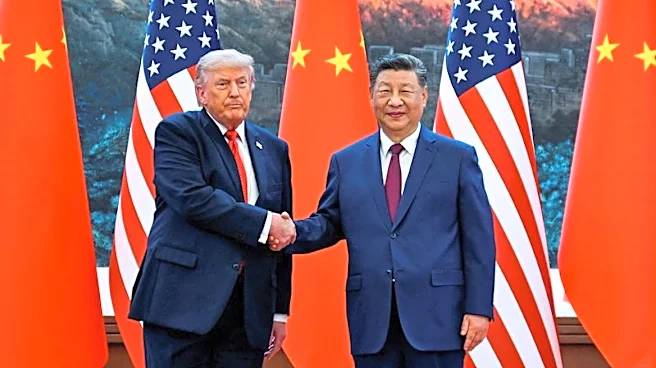
The United States has moved away from its long-standing free-market dogma to embrace industrial policy and managed trade, a significant shift in its economic approach. This change comes as American leaders are re-evaluating the US-China economic relationship,
which has been described as 'badly deteriorated.' Historically, the US had promoted free-market globalization, encouraging developing nations to compete for foreign investment by offering favorable conditions to multinational corporations. However, this perspective is now being challenged, with a growing recognition that robust state intervention is often necessary for economic development. The current US stance views China as a 'treacherous villain' in a 'morality tale' of trade, accusing it of exploiting free-market integration through nonmarket practices to gain control over future technologies and potentially global dominance. This narrative, according to some analyses, serves to unite US social divisions and repair damaged alliances.
Why It's Important?
This shift in US industrial policy holds significant implications for global trade and economic relations, particularly with China. The abandonment of free-market principles by the US signals a new era where state intervention and managed trade will play a more prominent role in shaping economic strategies. This could lead to increased protectionism, subsidies for domestic industries, and stricter conditions on foreign investment, potentially impacting global supply chains and international economic cooperation. For China, this change means facing a US that is less tolerant of its state-backed economic model and more inclined to implement policies aimed at curbing its industrial advancements. The US's narrative of China as an economic adversary could further escalate trade tensions and hinder the possibility of new agreements, affecting businesses and consumers in both countries and globally. The re-evaluation of past economic policies also highlights a broader debate about the effectiveness of free-market globalization in fostering equitable development.
What's Next?
As the US continues to embrace industrial policy, future discussions with China are likely to focus on how China can adapt its development techniques to align with US industrial policy goals. This could involve the US welcoming Chinese investment under specific conditions related to technology transfer, labor standards, and supply chain localization. However, the current animosity and the US's perception of China as an economic threat suggest that significant progress in US-China economic relations will be challenging. The ongoing re-evaluation of past economic policies and the search for solutions beyond mutual blame for globalization's crises indicate a potential for new approaches to international economic systems. The focus will be on how both nations navigate these evolving policies to either mitigate or exacerbate existing economic tensions, with potential impacts on global trade frameworks and international investment flows.
Beyond the Headlines
The deeper implications of this policy shift extend to the fundamental understanding of economic development and the role of the state. The historical suppression of the state's role in economic memory, particularly during the 1990s' free-market triumphalism, is now being openly challenged. This re-evaluation acknowledges that successful economic development often requires robust state intervention, including protecting infant industries and providing subsidies. This intellectual shift could lead to a broader re-assessment of economic models globally, potentially influencing developing nations to adopt more state-centric approaches to their economies. Furthermore, the US's narrative framing of China as a 'villain' raises ethical questions about the use of external enemies to address domestic issues and damaged alliances. This approach risks obscuring the complex realities of global economic interdependence and could hinder constructive dialogue and cooperation on shared global challenges.