





What's Happening?
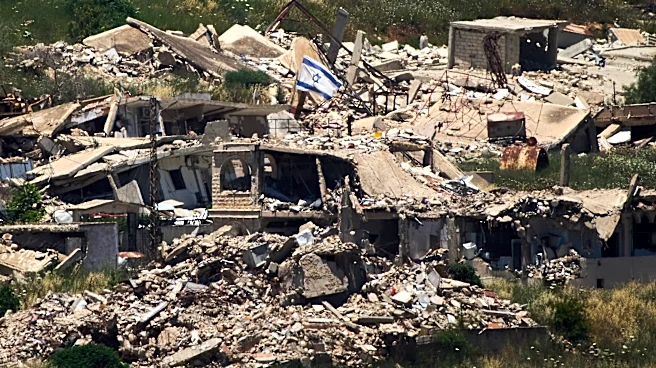
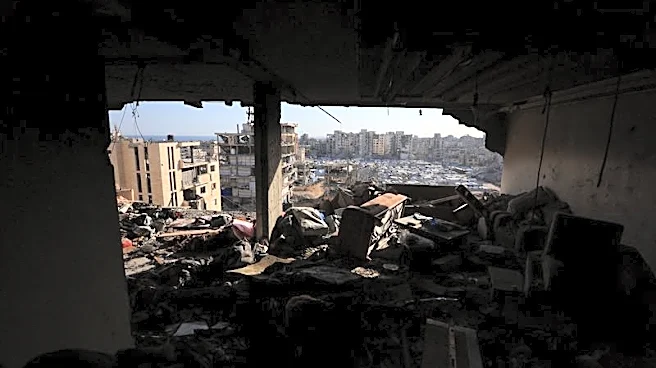
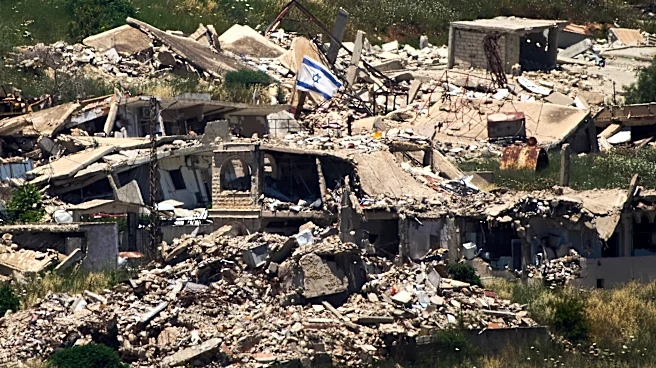
Israel has reportedly used white phosphorus in civilian areas of Lebanon, according to human rights groups and The New York Times. The chemical, which can cause severe burns and respiratory issues, was allegedly used in the town of Nabatieh and near the city
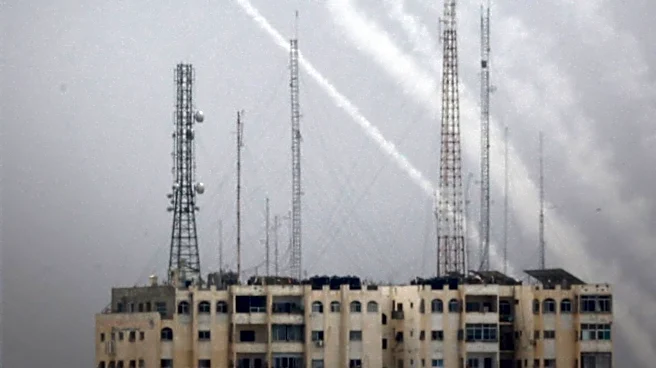
of Tyre. This follows a series of Israeli airstrikes on Hezbollah, an Iran-backed militant group, after Hezbollah reignited cross-border conflicts with projectiles fired at Northern Israel. Despite a ceasefire agreement between Lebanon and Israel, Hezbollah has rejected the terms, leading to continued hostilities. Human Rights Watch and Amnesty International have accused Israel of using white phosphorus in a manner that endangers civilians, although Israel denies these claims.
Why It's Important?
The use of white phosphorus in populated areas is controversial due to its potential to cause indiscriminate harm. The Chemical Weapons Convention prohibits its use in civilian areas, highlighting the legal and ethical implications of such actions. The ongoing conflict between Israel and Hezbollah, exacerbated by the use of incendiary weapons, poses significant risks to civilian populations, potentially leading to displacement and long-term health issues. This situation underscores the broader geopolitical tensions in the region and the challenges of enforcing international humanitarian laws.
What's Next?
The international community may increase pressure on Israel to adhere to international laws regarding the use of incendiary weapons. Human rights organizations are likely to continue monitoring and reporting on the situation, potentially influencing diplomatic relations and military strategies in the region. The ongoing conflict could lead to further displacement of civilians and strain humanitarian resources. Additionally, the rejection of the ceasefire by Hezbollah suggests that hostilities may continue, impacting regional stability.
Beyond the Headlines
The use of white phosphorus by Israel, and previously by the United States in Iraq, raises questions about the ethical use of military technology and the responsibilities of nations under international law. The situation highlights the complexities of modern warfare, where military necessity is often weighed against humanitarian concerns. The ongoing conflict in Lebanon may also influence public opinion and policy decisions in countries involved in or affected by the Middle East's geopolitical dynamics.