






What's Happening?
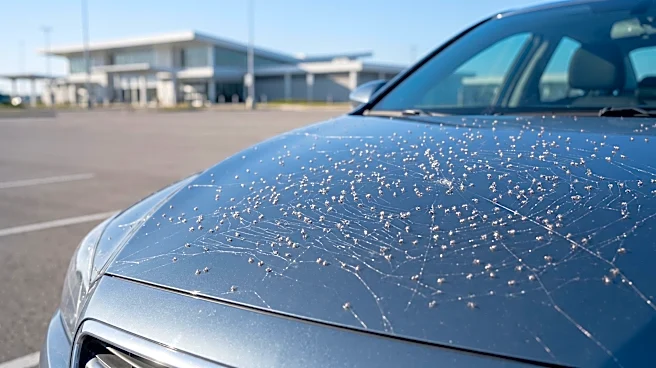
Passengers returning from a Royal Caribbean cruise at Galveston’s Cruise Terminal 10 in Texas were met with an unexpected and unsettling surprise: hundreds of baby spiders covering their parked cars. Uber driver Donnie Broussard, who transported some
of the affected passengers, reported that the individuals were "freaked out" by the arachnids. This incident, which occurred a few weeks prior, was not isolated, as other returning passengers also encountered similar situations. Broussard, familiar with the cruise terminal parking lots from his previous work and current role as a rideshare driver, noted that the spiders were widespread, suggesting they did not originate from the passengers' belongings. The discovery prompted passengers to purchase pesticides to address the infestation before driving home.
Why It's Important?
This incident highlights potential issues with pest control and maintenance at large-scale parking facilities, particularly those serving high-traffic areas like cruise terminals. For Royal Caribbean and the Port of Galveston, which operates the parking lots, such occurrences can negatively impact customer experience and potentially damage their reputation. Passengers expect a seamless and pleasant travel experience, and returning to a car infested with spiders can cause significant distress and inconvenience. The situation also raises questions about the responsibility of parking facility operators to ensure a pest-free environment, especially during seasons known for increased insect activity. The need for immediate pest control measures by passengers underscores a gap in current preventative or responsive actions by the facility.
What's Next?
The Port of Galveston, which manages the parking lots around Cruise Terminal 10, has not yet responded to inquiries regarding the spider incident. Moving forward, there may be increased scrutiny on the pest control practices at the terminal's parking facilities. Passengers who experienced this issue might seek compensation for damages or cleaning costs, or demand assurances that such incidents will be prevented in the future. The cruise line and port authority may need to implement more robust pest management strategies, especially during peak spiderling season, to avoid similar occurrences and maintain customer satisfaction. Public awareness of the issue could also lead to passengers taking their own preventative measures when parking at the terminal.
Beyond the Headlines
The incident, while seemingly minor, touches upon broader themes of consumer protection and the unexpected challenges that can arise in travel and tourism. It underscores the importance of maintaining environmental hygiene in public and commercial spaces, particularly those where people leave their personal property for extended periods. The phenomenon of 'ballooning' spiderlings, where wind carries them en masse, suggests a natural occurrence that can be exacerbated by environmental factors and the design of parking structures. This event could prompt a re-evaluation of how large outdoor facilities manage natural pest cycles and communicate potential risks to customers, ensuring a more proactive approach to environmental management in high-traffic areas.