






What's Happening?
Red light therapy (RLT), also known as photobiomodulation (PBM), is emerging as a potential complementary treatment for fibromyalgia, particularly in reducing chronic pain, tenderness, and muscle stiffness. Research indicates that RLT, which utilizes
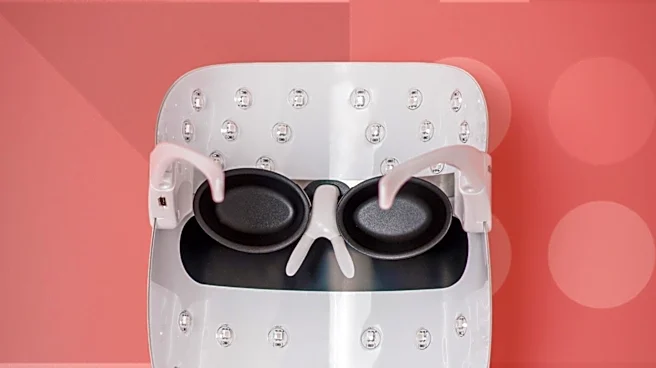
red and near-infrared light to influence cellular activity, may also contribute to improvements in fatigue, sleep quality, and overall well-being for individuals suffering from fibromyalgia. Studies, including a 2026 systematic review and a 2019 meta-analysis, have reported promising short-term pain reductions and improvements in pain severity and tender points. A 2024 placebo-controlled trial further supported these findings, noting pain improvements that persisted for up to six months. While these results are encouraging, researchers emphasize that the degree and duration of relief can vary, and the precise mechanisms through which RLT works are still under investigation. The effectiveness of RLT is being explored across various light sources, wavelengths, dosages, and treatment schedules, making it challenging to draw definitive conclusions about optimal protocols.
Why It's Important?
The potential of red light therapy to alleviate fibromyalgia symptoms is significant for the millions of Americans affected by this chronic condition. Fibromyalgia causes widespread pain, fatigue, sleep disturbances, and cognitive difficulties, severely impacting quality of life. Current treatments often involve a combination of medications, exercise, and behavioral therapies, but many patients continue to seek additional relief. RLT offers a non-invasive, drug-free option that could complement existing treatments, potentially reducing reliance on pain medications and improving daily functioning. If proven widely effective, RLT could lead to new treatment protocols and improved patient outcomes, offering hope to those who have not found sufficient relief from conventional methods. The ongoing research aims to standardize treatment approaches and determine the most effective ways to integrate RLT into comprehensive fibromyalgia management plans, potentially benefiting healthcare providers and patients alike by expanding therapeutic options.
What's Next?
Future developments in red light therapy for fibromyalgia will likely focus on standardizing treatment protocols and conducting larger, more uniform clinical trials. Researchers aim to identify optimal wavelengths, dosages, and treatment schedules to maximize efficacy and ensure consistent results. There will also be continued investigation into the long-term benefits and safety of RLT, as well as its effectiveness when combined with other established fibromyalgia treatments like exercise and cognitive behavioral therapy. As more data becomes available, healthcare providers may increasingly incorporate RLT into their treatment recommendations, and manufacturers may develop more targeted and user-friendly at-home devices. Patients can expect ongoing discussions with their healthcare providers about the suitability of RLT as a complementary therapy, as research continues to refine its application and understanding.
Beyond the Headlines
The growing interest in red light therapy for fibromyalgia highlights a broader trend in healthcare towards exploring non-pharmacological and complementary therapies for chronic conditions. This shift reflects a desire for treatments with fewer side effects and a more holistic approach to patient care. The mechanisms of RLT, which involve influencing cellular energy, regulating inflammation, improving circulation, and modulating pain signals, point to a deeper understanding of cellular biology and its role in chronic pain. This research could pave the way for similar light-based therapies for other conditions characterized by inflammation and cellular dysfunction. Furthermore, the accessibility of at-home RLT devices raises questions about patient self-management of chronic conditions and the need for clear guidelines and medical oversight to ensure safe and effective use, balancing innovation with patient safety.