





What's Happening?
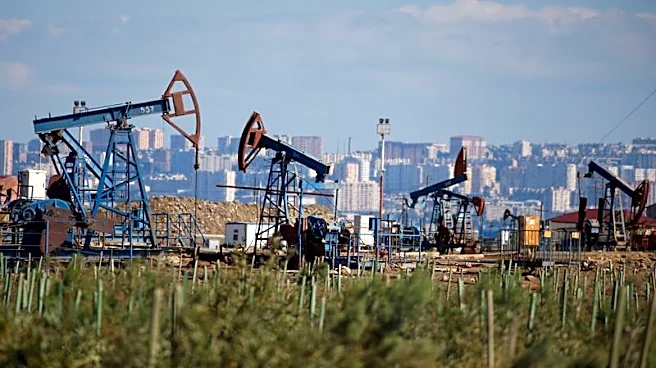
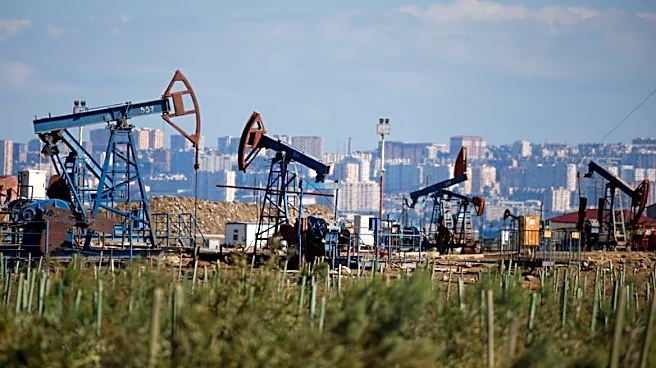
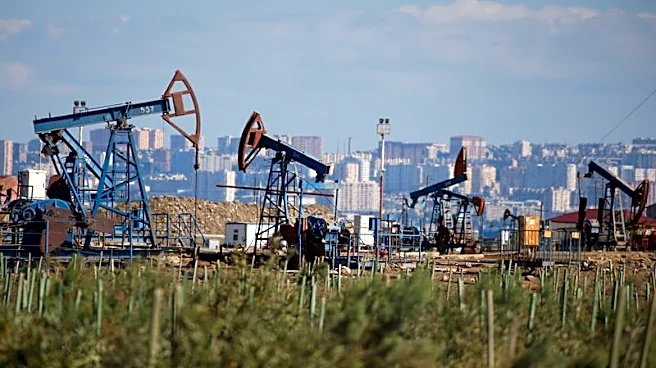
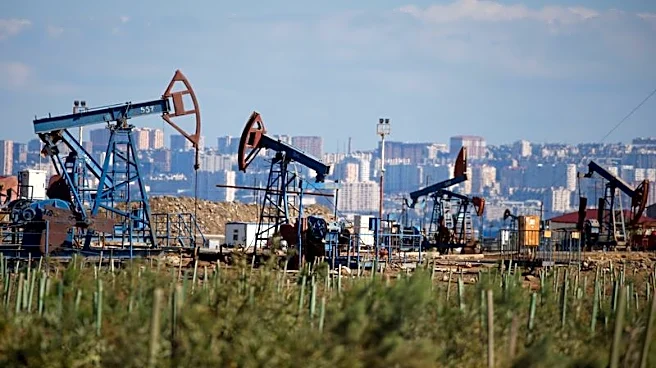
The national average price for a gallon of diesel has hit an all-time high of $5.85, surpassing the previous record of $5.81 set in June 2022. This surge is primarily attributed to rising geopolitical tensions in the Middle East, particularly the conflict
with Iran which began in late February, limiting oil flow through the Strait of Hormuz. Additionally, other supply chain pressures have uniquely impacted diesel. Some refineries in Asia have reduced their diesel exports, further constraining the global supply. Ukraine's recent attacks on Russian oil refineries have also taken many diesel refineries offline, leading Russia to curtail its own diesel exports and even import fuel from other countries. The rising price of jet fuel has also incentivized U.S. refiners to produce more jet fuel, consequently reducing diesel output. These factors collectively contribute to the record-high diesel prices currently observed across the United States.
Why It's Important?
The record-high diesel prices carry significant economic implications for the United States, as diesel is crucial for the industrial supply chain, powering trains, tractors, and trucks. This increase in fuel costs directly translates to higher operational expenses for businesses involved in transportation, agriculture, and various other sectors. The elevated costs are expected to trickle down to consumers through increased prices for goods, including food, as farming equipment heavily relies on diesel. Furthermore, the rising cost impacts public services, with approximately 90% of the nation's 500,000 school buses running on diesel, straining district budgets. This situation exacerbates existing inflation concerns, which saw a 3.4% increase in the overall economy over the past year, disproportionately affecting lower-income households. The interconnectedness of diesel with various economic activities means that sustained high prices could lead to broader inflationary pressures and potentially impact economic stability.
What's Next?
Foreseeable consequences include continued inflationary pressures on consumer goods and services as businesses pass on increased transportation and operational costs. The upcoming harvest season typically sees higher diesel demand for agricultural equipment, and as winter approaches, the demand for heating oil (chemically similar to diesel) will also rise, potentially keeping prices elevated for months. Stakeholders such as the Federal Reserve Bank of New York are already analyzing the impact on household budgets, particularly for lower-income families. The ongoing geopolitical situation in the Middle East and the conflict in Ukraine will remain critical factors influencing global oil supply and, consequently, diesel prices. The U.S. government and industry may explore strategies to mitigate the impact, such as diversifying supply sources or encouraging domestic production, though immediate solutions for the current price surge are not readily apparent.
Beyond the Headlines
The sustained high price of diesel highlights the vulnerability of the U.S. economy to global geopolitical events and the intricate dependencies within the energy supply chain. Beyond immediate economic impacts, this situation could accelerate discussions and investments in alternative fuel sources and more resilient supply chain logistics. The reliance on diesel for critical infrastructure, from food production to public transportation, underscores the need for long-term energy security strategies. The current crisis also brings into focus the broader implications of energy costs on social equity, as lower-income households bear a disproportionate burden of rising prices. This could prompt policy debates on energy subsidies or targeted relief measures to protect vulnerable populations from the ripple effects of high fuel costs. The situation also emphasizes the strategic importance of key global chokepoints like the Strait of Hormuz in influencing international energy markets.