
What's Happening?
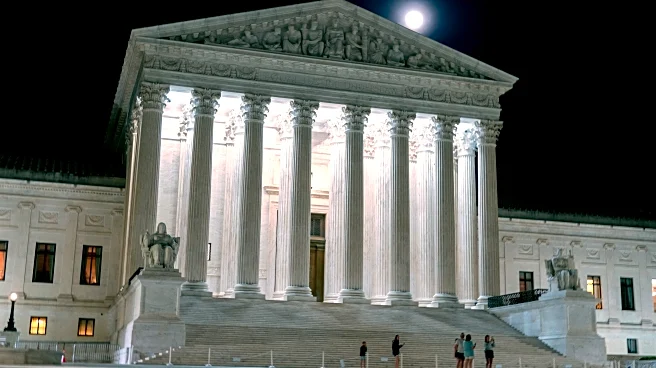
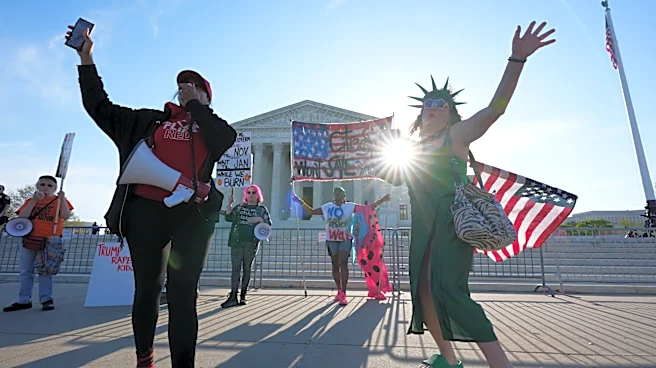
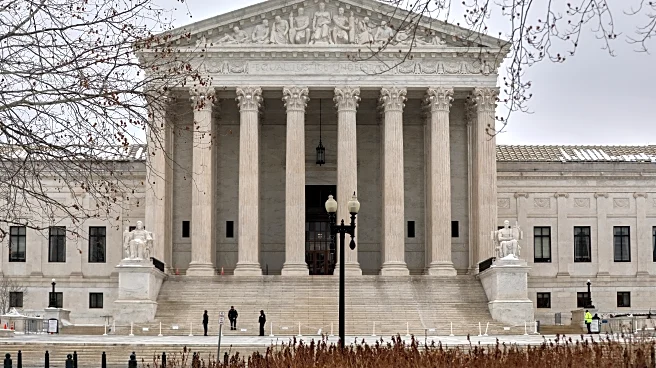
The Supreme Court is hearing arguments in a case challenging the Fourteenth Amendment's Citizenship Clause, which grants birthright citizenship to all persons born in the United States. The Trump administration, represented by Solicitor General John Sauer,
argues that the clause should not apply to children of parents who are not lawfully present in the U.S. This case, Trump v. Barbara, questions the interpretation of 'jurisdiction' in the amendment, suggesting it should mean 'allegiance' or 'domicile' rather than mere presence. The justices, including those appointed by President Trump, expressed skepticism about the administration's arguments, highlighting potential humanitarian issues and the historical precedent set by the 1898 Wong Kim Ark case.
Why It's Important?
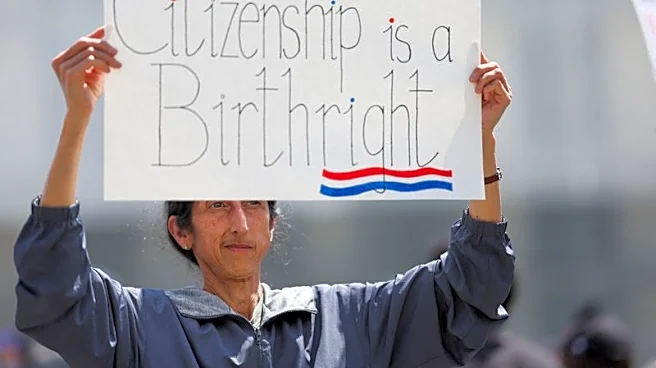
This case has significant implications for U.S. immigration policy and the interpretation of constitutional rights. A decision to alter the understanding of birthright citizenship could affect millions of individuals born in the U.S. to non-citizen parents, potentially rendering them stateless. The case also reflects broader debates on immigration and national identity, with potential impacts on international relations and human rights obligations. The outcome could influence future immigration policies and the legal status of many residents.
What's Next?
The Supreme Court's decision will be pivotal in determining the future of birthright citizenship in the U.S. If the court sides with the Trump administration, it could lead to legislative and policy changes affecting immigration and citizenship laws. The decision may also prompt further legal challenges and debates on constitutional interpretation. Stakeholders, including immigrant advocacy groups and legal experts, will likely continue to engage in public discourse and advocacy efforts.