




What's Happening?
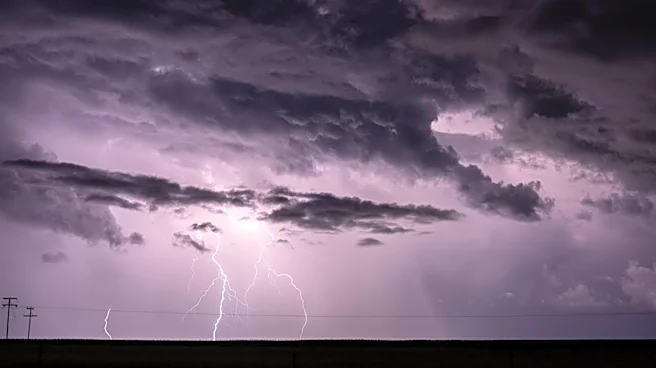
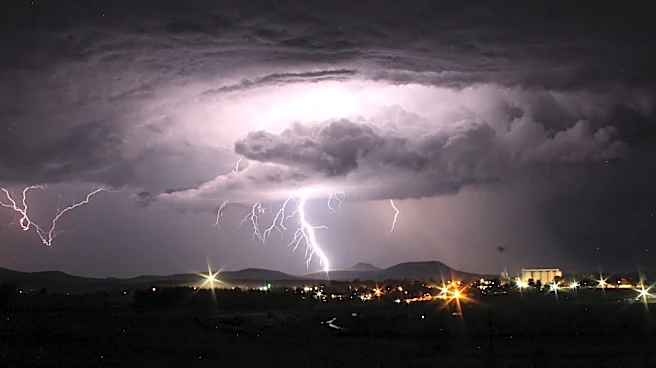
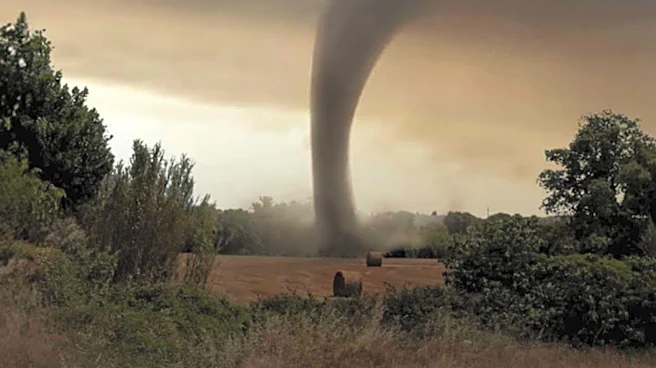
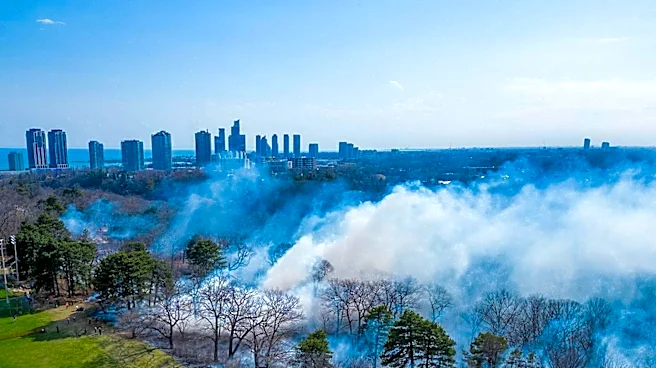
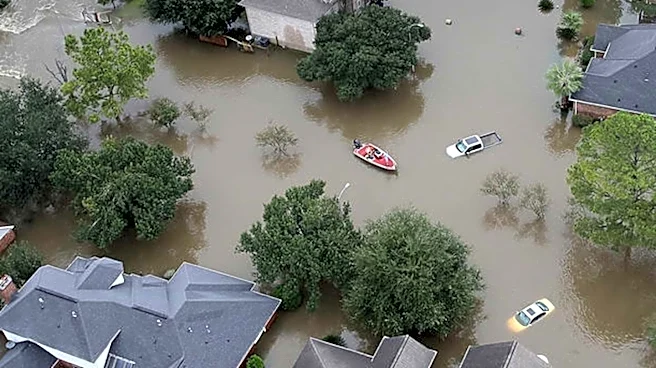
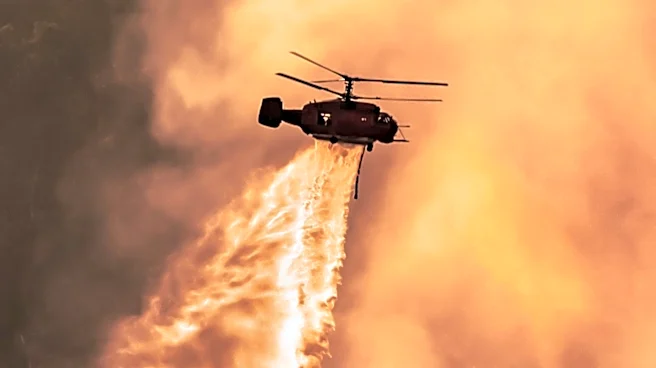
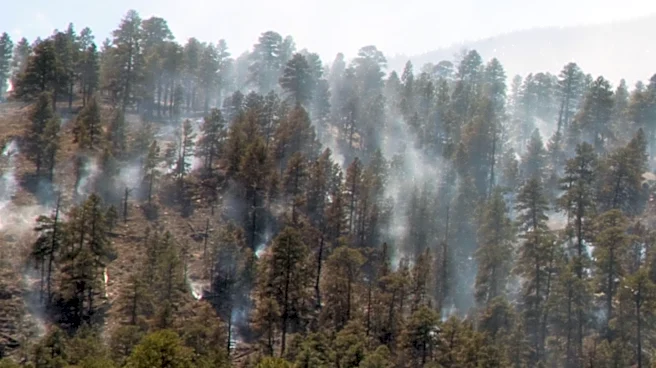
Recent weeks have seen a series of overlapping disasters across the United States, including Canadian wildfire smoke affecting the Midwest and Northeast, extreme heat along the East Coast, and catastrophic flooding in Texas. These compound events, exacerbated
by climate change, are challenging state and local governments, especially in light of recent federal budget cuts to disaster preparedness programs. Experts highlight that the Trump administration's reductions in funding for the Federal Emergency Management Agency (FEMA) have left states less prepared to handle such crises. The situation is further complicated by the need for emergency services to manage multiple, simultaneous disasters, often with conflicting response strategies.
Why It's Important?
The increase in compound disasters poses significant challenges to emergency management systems, which are already strained by budget cuts. The reduction in federal support places greater pressure on state and local governments to manage complex crises independently. This shift could lead to slower response times and increased vulnerability for affected communities. The situation underscores the need for enhanced investment in disaster preparedness and resilience to mitigate the impacts of climate change-driven events. Without adequate federal support, states may struggle to recover from repeated disasters, potentially leading to long-term economic and social consequences.
What's Next?
As climate change continues to drive more frequent and severe weather events, experts suggest that investing in preparedness and resilience is crucial. This includes increasing funding for FEMA and other disaster management programs to ensure that local and state governments are better equipped to handle overlapping disasters. Additionally, there may be a push for policy changes to address the root causes of climate change and reduce the likelihood of such events. The ongoing situation in Texas, where communities are still recovering from previous floods, highlights the urgent need for comprehensive disaster management strategies.