




What's Happening?
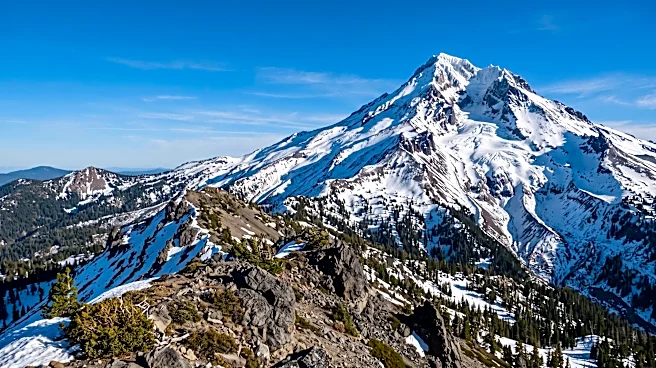
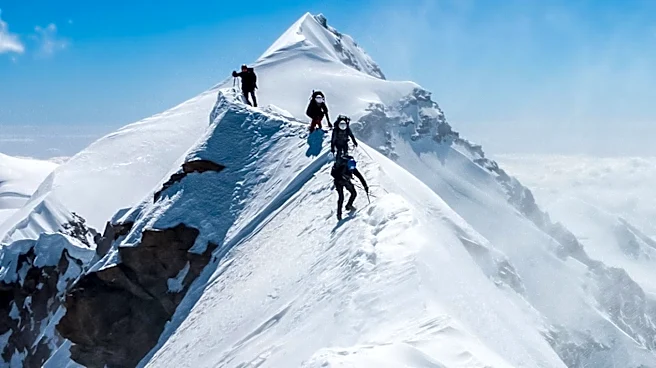
Three novice climbers required rescue from Mount Shasta in northern California after their attempt to summit the mountain turned into a multi-day ordeal, far exceeding their expected eight-hour climb. The climbers later admitted to rangers that they had
"relied too much on AI rather than our own critical thinking" for planning their trip. The Siskiyou County Sheriff’s Office reported that the group set up camp at approximately 8400 feet on August 29. They then departed for the summit at 3 AM the following morning with only daypacks. The men reached the summit at 7 PM, significantly past the recommended 12 PM turnaround time, and subsequently descended in the dark, leading to their stranded situation and eventual rescue.
Why It's Important?
This incident highlights a critical emerging concern regarding the over-reliance on artificial intelligence for planning activities that require significant real-world expertise and risk assessment, such as mountaineering. While AI tools can provide information, they lack the nuanced judgment, experience, and adaptability necessary for unpredictable environments. The climbers' admission underscores the potential dangers when individuals prioritize AI-generated advice over human critical thinking and established safety protocols. This event serves as a cautionary tale for the public, emphasizing that AI should be used as a supplementary tool rather than a sole authority, especially in high-stakes situations where human safety is paramount. It also brings to light the responsibility of AI developers to clearly communicate the limitations of their systems, particularly when their applications could influence critical decision-making in hazardous contexts.
What's Next?
This incident will likely prompt increased discussions among outdoor recreation communities, AI developers, and safety organizations about the responsible use of AI in planning potentially dangerous activities. There may be calls for clearer guidelines or disclaimers from AI providers regarding the limitations of their tools for critical decision-making. Educational campaigns could emerge, advising individuals on how to integrate AI information with expert human knowledge and critical thinking, rather than relying solely on automated advice. Search and rescue organizations might also incorporate this type of scenario into their public safety advisories, emphasizing the importance of traditional preparation methods, experienced guidance, and personal judgment over AI-generated plans for wilderness expeditions. The event could also spur further research into how AI can be safely and effectively integrated into complex planning scenarios without compromising human safety.
Beyond the Headlines
The Mount Shasta rescue incident delves into the broader societal implications of artificial intelligence and human agency. It raises questions about the erosion of critical thinking skills when individuals delegate complex decision-making to AI. This event could be a precursor to more widespread challenges as AI becomes increasingly sophisticated and integrated into daily life, potentially leading to a diminished capacity for independent judgment in various fields. Ethically, it prompts a re-evaluation of the balance between technological convenience and human responsibility, particularly in situations where the consequences of error are severe. Culturally, it reflects a growing trust in technology that may sometimes outweigh common sense or established wisdom. This incident serves as a stark reminder that while AI can augment human capabilities, it cannot replace the invaluable combination of experience, intuition, and critical thinking, especially when navigating the inherent risks of the natural world.