


What's Happening?
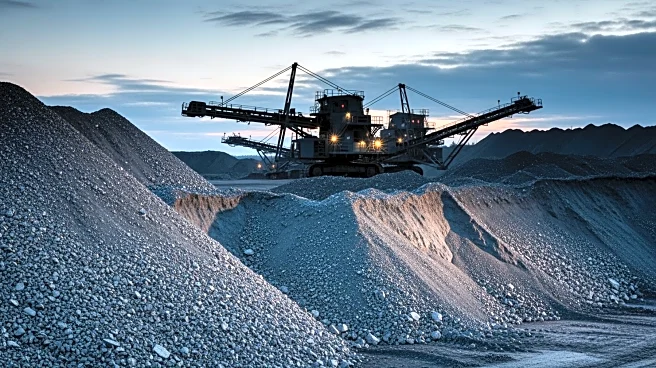
Lagos, Nigeria, is undergoing extensive sand dredging activities that are reshaping its coastline. This process is driven by the city's rapid construction boom, which demands large quantities of sand for building roads, bridges, and housing estates. The
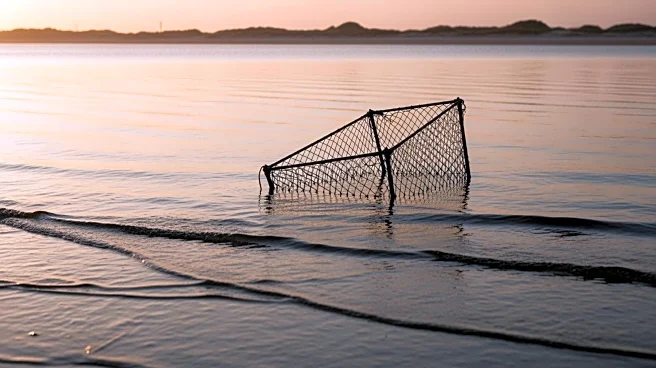
dredging operations, conducted by both registered firms and informal operators, are significantly impacting the environment and the livelihoods of local fishing communities. The sand, particularly from the lagoon, is highly valued for its strength in concrete production. However, the dredging is disrupting fish habitats, driving fish away, and forcing fishermen to travel further offshore, increasing their operational costs. Many fishermen have been displaced from their traditional fishing grounds, leading to economic instability in these communities.
Why It's Important?
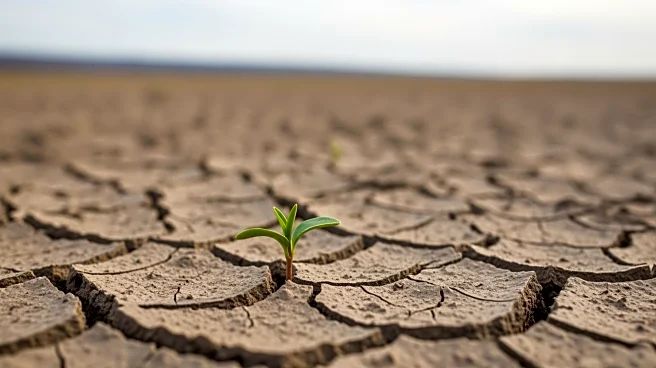
The sand dredging in Lagos highlights a critical conflict between urban development and environmental sustainability. While the construction boom supports economic growth and infrastructure development, it poses severe risks to the environment and the livelihoods of local communities. The displacement of fishermen and the destruction of fish habitats threaten food security and economic stability for some of Nigeria's poorest populations. Additionally, the environmental degradation caused by dredging could lead to increased flooding and erosion, exacerbating the vulnerability of coastal communities. This situation underscores the need for balanced development policies that consider both economic growth and environmental protection.
What's Next?
The Lagos State government has pledged to clamp down on illegal dredging activities, but enforcement has been inconsistent. Community leaders and environmental advocates are calling for stricter regulations and better enforcement to protect the environment and local livelihoods. There is a need for sustainable development practices that balance the demands of urban growth with the preservation of natural resources. The ongoing situation may prompt further discussions and actions from government officials, environmental groups, and community leaders to address the environmental and social impacts of dredging.
Beyond the Headlines
The dredging activities in Lagos raise broader questions about the ethics of urban development and the responsibilities of governments and businesses in protecting vulnerable communities. The situation highlights the challenges of managing natural resources in rapidly growing cities and the potential long-term consequences of environmental degradation. It also reflects the global issue of balancing economic development with environmental sustainability, a challenge faced by many cities worldwide.