



What's Happening?
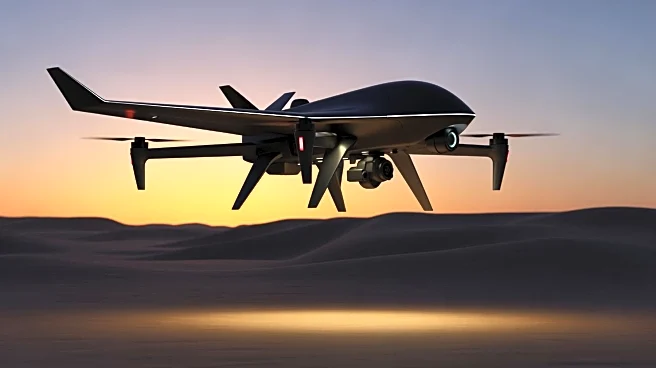
Ukrainian-made interceptor drones, developed by the private firm Wild Hornets, are gaining attention for their potential use in the Gulf region to combat Iranian drone threats. These drones, initially designed to counter Russian drones in Ukraine, are now
being considered by Gulf Arab states facing over 2,000 missile and drone attacks since the onset of the Iran war on February 28. The interceptor drones, known as STING, offer a low-cost alternative to expensive air-defense systems like the U.S. Patriot missiles. They are capable of high-speed interception and are designed to crash into enemy drones with explosives. Despite interest from Middle Eastern clients, Wild Hornets is cautious about exports, prioritizing Ukraine's defense needs and awaiting government approval for any international sales.
Why It's Important?
The interest in Ukrainian interceptor drones highlights the growing demand for cost-effective and efficient air-defense solutions in regions facing drone threats. As drone warfare becomes more prevalent, countries are seeking innovative technologies to protect critical infrastructure and military assets. The STING drones offer a strategic advantage by providing a rapid response capability against incoming threats, potentially reducing reliance on more expensive defense systems. This development underscores the importance of international collaboration in defense technology, as countries like Ukraine leverage their expertise to support allies facing similar security challenges. The situation also reflects the broader geopolitical dynamics in the Middle East, where tensions with Iran continue to influence defense strategies and procurement decisions.
What's Next?
As interest in the Ukrainian interceptor drones grows, further discussions between Ukraine and potential Middle Eastern clients are likely. The Ukrainian government may consider export agreements, especially if they receive additional support from allies like the U.S. in the form of advanced defense systems. The deployment of these drones in the Gulf could lead to enhanced regional security and potentially deter further drone attacks. Additionally, the success of the STING drones may encourage other countries to explore similar technologies, fostering innovation in the field of unmanned aerial systems. The ongoing conflict in Ukraine and tensions in the Middle East will continue to drive demand for effective air-defense solutions, shaping future defense procurement and collaboration efforts.