





What's Happening?
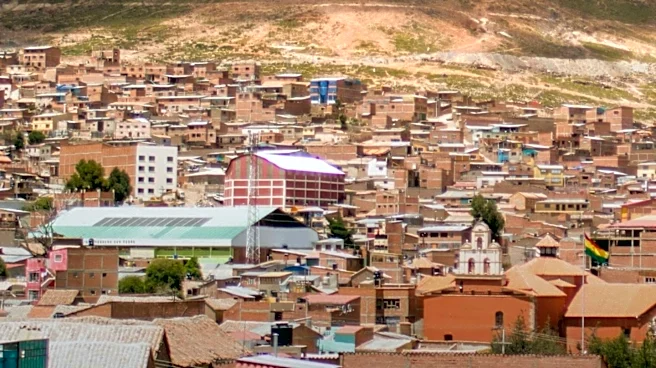
Bolivia is gaining recognition as an increasingly attractive, yet challenging, destination for digital nomads in 2026, particularly for those prioritizing low living costs, rich culture, and adventure over perfect infrastructure. Cities like Sucre and La
Paz offer unique character and some of the lowest living expenses in South America. However, the country faces drawbacks such as slower internet speeds compared to neighboring nations, occasional political instability, and limited coworking facilities. While Bolivia does not offer a dedicated digital nomad visa, U.S. citizens and several other nationalities can enter visa-free for up to 90 days, a policy change implemented on December 1, 2025, according to the Associated Press.
Why It's Important?
Bolivia's emergence as a digital nomad hub signifies a broader trend of remote workers seeking authentic cultural experiences and affordability beyond traditional hotspots. This shift can bring economic benefits to less-traveled regions, stimulating local businesses and diversifying tourism. However, the infrastructure challenges, particularly internet connectivity, highlight a critical barrier for remote workers who rely on stable online access. The lack of a dedicated digital nomad visa also places remote workers in a legal gray area, which could deter those seeking long-term stability. For Bolivia, addressing these infrastructure and policy gaps could unlock significant potential for economic growth and cultural exchange, while also posing challenges related to managing increased foreign presence.
What's Next?
For digital nomads considering Bolivia, careful planning and flexibility will remain essential. This includes budgeting for backup internet solutions, such as multiple SIM cards, and being prepared for potential travel disruptions. Bolivian cities like Sucre and Santa Cruz are likely to see continued interest, potentially leading to improvements in internet infrastructure and the gradual development of more coworking spaces. The legal status of remote work on a tourist visa may prompt discussions for a dedicated digital nomad visa in the future, aligning Bolivia with other countries actively courting this demographic. The ongoing political and economic conditions will also influence the experience of remote workers in the country.
Beyond the Headlines
The appeal of Bolivia to digital nomads reflects a deeper desire for immersive cultural experiences and a rejection of the 'co-living bubbles' often found in more established nomad destinations. This trend could lead to a more equitable distribution of the economic benefits of remote work globally, extending to countries that were previously overlooked. However, it also brings into focus the ethical considerations of digital nomadism, such as the potential for gentrification, strain on local resources, and the need for respectful engagement with local communities. The reliance on tourist visas for remote work also highlights the evolving nature of international immigration laws, which are often slow to adapt to new forms of labor mobility. This dynamic interplay between global work trends and local realities will continue to shape the future of remote work.