








What's Happening?
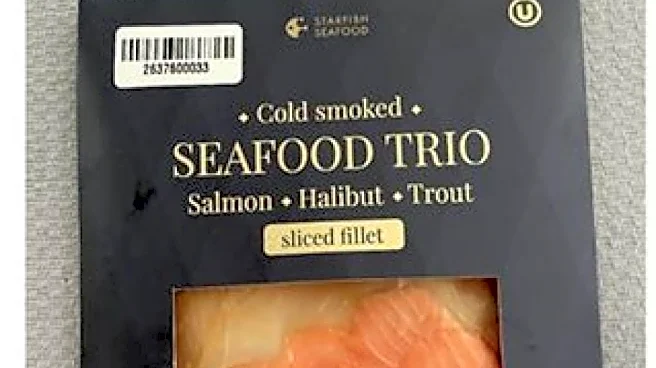
Krasnyi Oktyabr Inc. of Brooklyn has issued a recall for its 8-ounce packages of Starfish Seafood Premium cold smoked Norwegian salmon slices. The recall stems from a potential contamination risk with Listeria monocytogenes. This bacterium can cause serious
and sometimes fatal infections, particularly in vulnerable populations such as young children, the elderly, and individuals with weakened immune systems. Symptoms associated with Listeria infection include high fever, severe headache, nausea, and abdominal pain. The affected product was distributed and sold in New York and New Jersey, bearing a 'best by' date of November 27, 2027. As of the announcement, no illnesses have been reported in connection with the recalled salmon. Consumers who have purchased this specific product are advised to return it to the place of purchase for a full refund. Krasnyi Oktyabr Inc. has provided a contact number (718-858-6720) for any questions or concerns, available Monday through Friday from 9 a.m. to 5 p.m.
Why It's Important?
This recall is important as it highlights the ongoing public health concern regarding food safety, particularly with products susceptible to bacterial contamination like Listeria monocytogenes. Listeria infections, though rare, can be severe and even life-threatening, especially for at-risk groups. The presence of Listeria in food products can lead to significant health complications, including meningitis, septicemia, and miscarriages in pregnant women. For the food industry, such recalls underscore the critical need for stringent quality control and safety protocols throughout the production and distribution chain. Companies face not only financial losses from product recalls but also potential damage to their brand reputation and consumer trust. For consumers in New York and New Jersey, this recall serves as a reminder to remain vigilant about food product advisories and to follow instructions for returning potentially contaminated items to safeguard their health. The absence of reported illnesses so far is a positive sign, but the proactive recall aims to prevent any future health incidents.
What's Next?
Following the recall, Krasnyi Oktyabr Inc. will likely continue to work with regulatory bodies to investigate the source of the potential Listeria contamination and implement corrective actions to prevent future occurrences. Consumers who purchased the recalled salmon should return it for a refund and monitor for any symptoms of Listeria infection, seeking medical attention if necessary. Public health agencies in New York and New Jersey will likely continue to disseminate information about the recall to ensure widespread awareness among affected consumers. The incident may also prompt a review of food safety practices within the company and potentially across the broader cold smoked salmon industry to reinforce preventative measures against bacterial contamination. Further testing of products and facilities may be conducted to ensure the safety of future batches. The company's responsiveness to consumer inquiries will also be a key next step in managing the recall effectively.
Beyond the Headlines
Beyond the immediate health implications, this recall touches upon broader issues of food supply chain integrity and consumer confidence. The interconnectedness of food production and distribution means that a contamination issue in one part of the chain can have far-reaching consequences. This event could lead to increased scrutiny of imported food products, as well as a re-evaluation of food safety standards and inspection frequencies for certain categories of food, such as ready-to-eat seafood. For consumers, repeated recalls can erode trust in food brands and the regulatory systems designed to protect them, potentially leading to shifts in purchasing habits towards perceived safer alternatives or brands with stronger safety track records. The incident also highlights the ongoing challenge for food manufacturers to balance efficiency with rigorous safety protocols, especially for products with a longer shelf life or those consumed without further cooking, where the risk of bacterial growth is higher.