







What's Happening?
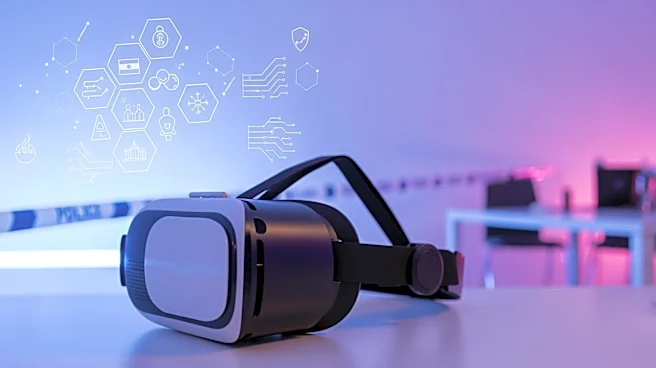
The RESILIENCE program at University College London (UCL) is utilizing virtual reality (VR) to train young people in medicines manufacturing, aiming to address skills shortages and encourage more women into STEM fields. Bernice Wright, a lecturer in cell
and gene therapy at UCL, is a key figure in this initiative. The program, which began in April 2024, has reached over 21,000 students across the UK, providing them with VR experiences that simulate careers in medicines manufacturing. Wright emphasizes the importance of showcasing a diverse range of roles within STEM, including those with lower barriers to entry, to boost women's confidence in pursuing these careers. Despite women outperforming men in STEM subjects at school, they remain underrepresented in engineering sciences in the workforce.
Why It's Important?
The RESILIENCE program is significant as it addresses the critical skills gap in advanced medicines manufacturing, a sector experiencing a shortage of qualified professionals. By encouraging women to enter STEM fields, the program aims to diversify the workforce and enhance innovation. Women currently make up only a quarter of the STEM workforce in the UK, highlighting the need for initiatives that promote gender equality in these fields. The use of VR technology not only makes the training process more engaging but also provides practical experience, helping to overcome the intellectual barriers that may deter women from pursuing STEM careers.
What's Next?
The RESILIENCE program is expected to continue expanding its reach, potentially influencing educational policies and industry practices to further support women in STEM. As more students participate, the program may inspire similar initiatives globally, focusing on reducing gender disparities in STEM fields. Stakeholders, including educational institutions and government bodies, may collaborate to enhance the program's impact and explore additional technologies to support STEM education.
Beyond the Headlines
The program's use of VR technology highlights the growing role of digital tools in education and workforce training. This approach not only addresses immediate skills shortages but also sets a precedent for integrating technology into educational curricula. The initiative may also contribute to broader cultural shifts, challenging stereotypes about gender roles in science and technology and promoting a more inclusive environment for future generations.