



What's Happening?
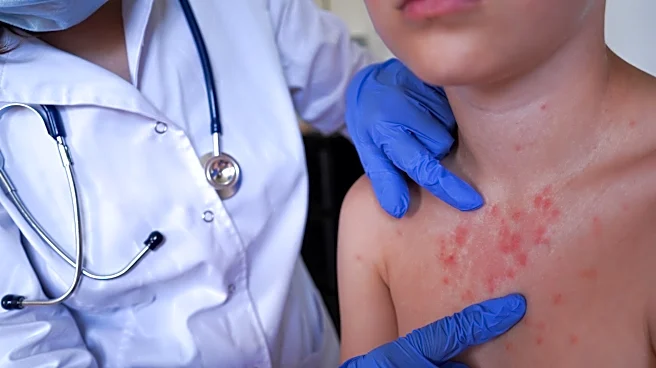
A measles outbreak in southwestern Wisconsin has escalated to 36 confirmed and three probable cases, totaling 39 infections. Initially, state officials reported two confirmed cases in Lafayette and Iowa counties on August 11, which rapidly grew to 15
confirmed cases within two days. The Wisconsin Department of Health Services (DHS) confirmed on Tuesday that Grant County now also has two confirmed measles cases. Public health officials are actively working to identify and notify individuals who may have been exposed to the highly contagious virus. Dr. Ryan Westergaard, chief medical officer with the Wisconsin DHS Bureau of Communicable Diseases, stated that a DHS team is collaborating with county public health departments to conduct investigations, facilitate testing, and administer vaccines to at-risk individuals who are unsure of their immunization status. The DHS has not yet identified any public exposure locations linked to these cases. State data indicates that nearly all infected individuals this year, except for one, were unvaccinated, with the majority being children aged 17 and under. Two people have been hospitalized due to the illness.
Why It's Important?
This expanding measles outbreak in Wisconsin highlights a critical public health concern, particularly given the high contagiousness of the virus and its potential for severe complications, including pneumonia, brain damage, deafness, and even death. The situation is exacerbated by recent data from the U.S. Centers for Disease Control and Prevention (CDC) showing low measles vaccination rates among kindergarten students in Wisconsin, with only an estimated 85.1% having MMR vaccine coverage during the 2025-2026 school year. Dr. Westergaard emphasized that such low vaccination rates are 'dangerously low' and make communities vulnerable to outbreaks, as high levels of vaccine coverage are essential to prevent widespread transmission. The current outbreak is notably larger than those seen in Wisconsin in recent years, underscoring the importance of maintaining robust immunization levels to protect public health. The spread of measles can strain healthcare resources and disrupt daily life, especially for families with unvaccinated children, and poses a significant risk to vulnerable populations.
What's Next?
Public health officials in Wisconsin will continue their intensive efforts to contain the measles outbreak. This includes ongoing investigations to identify additional cases, contact tracing to notify potentially exposed individuals, and facilitating testing. A key focus will be on increasing vaccination rates, particularly among those who are at risk or have uncertain immunization statuses. Dr. Westergaard noted that while it's ideal to be vaccinated before exposure, the measles vaccine can also be effective when administered after exposure to reduce the likelihood of illness. The Wisconsin DHS will likely continue to issue updates on the outbreak's status and provide guidance to the public. Efforts to encourage residents to check the Wisconsin Immunization Registry for their vaccination status are expected to intensify. The long-term response will likely involve public awareness campaigns to educate communities on the importance of measles vaccination and to address any vaccine hesitancy, aiming to raise the state's overall immunization coverage to a safer level.
Beyond the Headlines
The measles outbreak in Wisconsin underscores broader societal challenges related to public health and vaccine confidence. The 'dangerously low' vaccination rates cited by Dr. Westergaard reflect a national trend in some areas, raising concerns about the resurgence of preventable diseases. This situation highlights the delicate balance between individual health choices and collective public health, where declining vaccination rates in a community can erode herd immunity, making everyone more susceptible to infectious diseases. The outbreak also brings to light the critical role of public health infrastructure in rapid response and containment, as local health officials and the DHS team work to manage the crisis. Furthermore, it may prompt discussions about policies to encourage higher vaccination rates, particularly in school settings, and the need for sustained public education campaigns to counter misinformation about vaccines. The long-term implications could include increased scrutiny of vaccination policies and a renewed focus on strengthening public health communication strategies to ensure community resilience against future outbreaks.