





What's Happening?
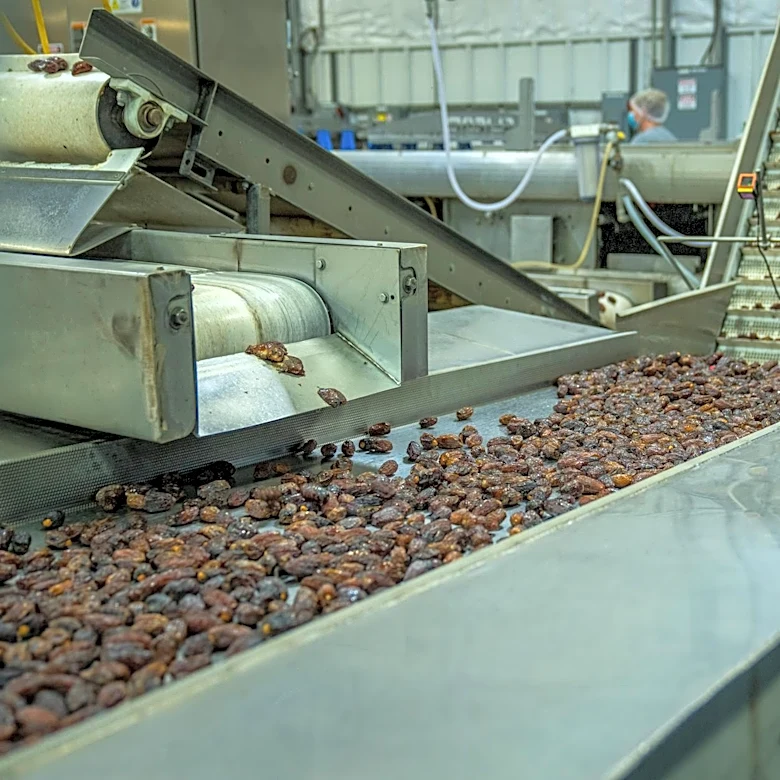
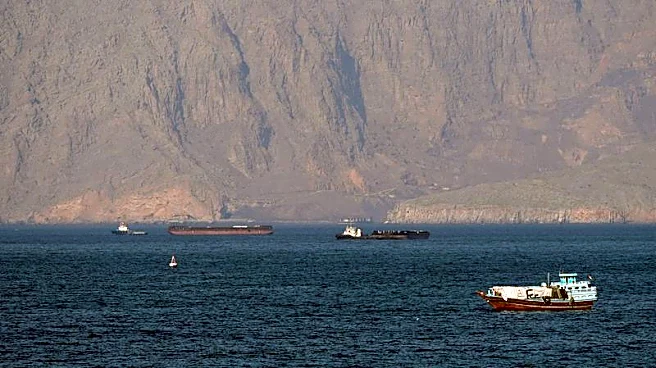
Iran has launched a series of attacks targeting critical infrastructure in the Gulf region, including desalination plants, airports, and energy facilities. These actions have severely disrupted food supplies and driven up prices, affecting millions of people
across the Gulf Cooperation Council (GCC) countries. The attacks have highlighted the vulnerabilities of the Gulf states, which rely heavily on imported food and water. The humanitarian and economic impact is significant, with migrant workers, who form the backbone of the Gulf economies, being particularly affected. The International Monetary Fund (IMF) has downgraded growth projections for the region, citing the economic fallout from the conflict.
Why It's Important?
The attacks by Iran have exposed the strategic vulnerabilities of the Gulf states, which have long relied on their infrastructure to support their economies. The disruption of food and water supplies poses a significant threat to the stability of the region, as it affects the daily lives of millions of people. The economic impact is also far-reaching, with potential consequences for global energy markets, given the region's role as a major oil and gas exporter. The situation underscores the geopolitical tensions in the Middle East and the potential for further escalation, which could have broader implications for international security and economic stability.
What's Next?
The ongoing conflict and its impact on the Gulf region are likely to continue to be a focus of international attention. The affected countries may seek to strengthen their infrastructure and diversify their economies to reduce their reliance on imports. Diplomatic efforts to resolve the conflict and address the underlying tensions are expected to intensify. The international community, including major powers like the United States, may play a role in mediating the situation and ensuring the security of critical infrastructure in the region.
Beyond the Headlines
The crisis highlights the broader issue of infrastructure vulnerability in conflict zones and the potential for non-military targets to be used as leverage in geopolitical conflicts. The reliance on imported food and water in the Gulf states raises questions about sustainability and resilience in the face of external threats. The situation also draws attention to the role of migrant workers in the region's economies and the impact of geopolitical conflicts on their livelihoods and home countries.