







What's Happening?
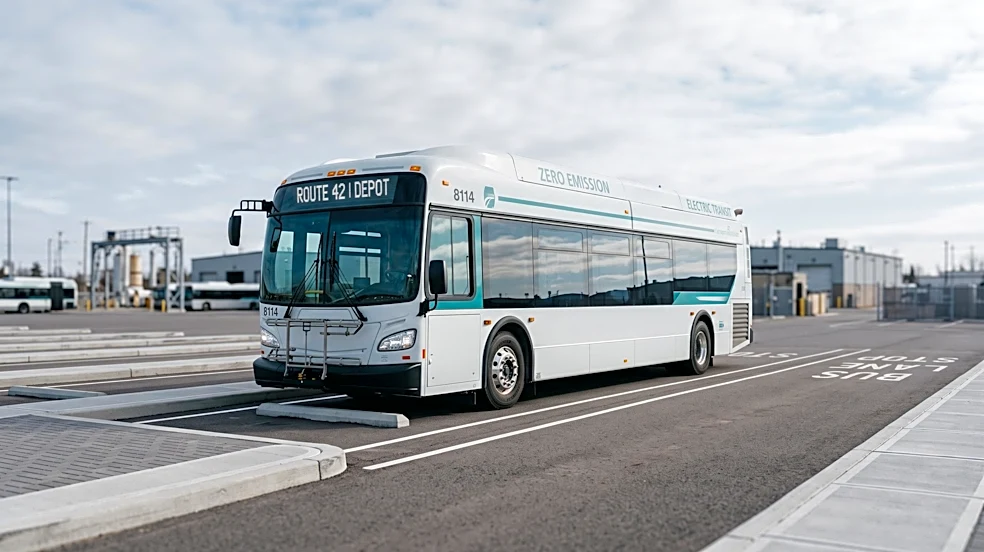
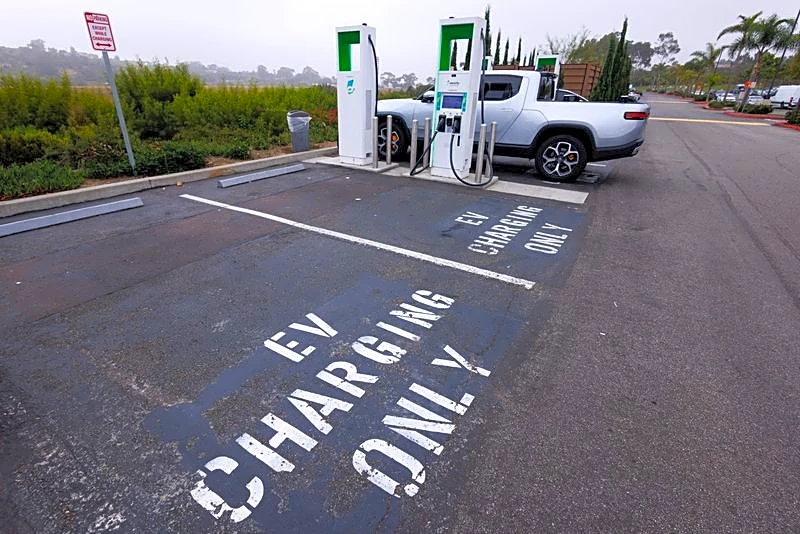
California's clean truck and bus incentive program, designed to expand the zero-emission vehicle market and improve air quality in polluted communities, is currently under scrutiny due to allegations of fraud, waste, and poor oversight. A Times investigation
revealed that the program's claims of reducing air pollution and planet-warming gases are largely based on assumptions and estimates rather than concrete data. The investigation found instances where state-funded trucks and buses were rarely used due to performance and maintenance issues. In one notable case, California reportedly paid nearly $1 million in public funds for 'vehicles that did not exist,' according to court records. This raises significant questions about the effectiveness and integrity of the $1-billion program.
Why It's Important?
This situation is important because it highlights potential misuse of public funds allocated for critical environmental initiatives in California. The clean transportation program aims to address air quality issues in heavily polluted areas and contribute to climate change mitigation by promoting zero-emission vehicles. If the program is indeed plagued by fraud and poor oversight, it undermines public trust in government-led environmental efforts and wastes taxpayer money. Furthermore, it could hinder the state's progress toward its clean air and climate goals, as the intended benefits of reduced emissions may not be fully realized. The allegations also suggest a need for more robust accountability mechanisms and data-driven evaluations in large-scale public programs.
What's Next?
The ongoing allegations of fraud and poor oversight will likely trigger further investigations and calls for increased transparency and accountability within California's clean transportation program. State officials may be pressured to implement stricter monitoring protocols, improve data collection and reporting, and enhance auditing processes to prevent future misuse of funds. There could also be legal repercussions for individuals or entities found to be involved in fraudulent activities. Lawmakers and environmental groups may advocate for reforms to ensure that the program effectively achieves its environmental objectives and that public funds are utilized responsibly. The outcome of these investigations could influence the design and implementation of future clean energy and transportation initiatives in California and potentially other states.
Beyond the Headlines
Beyond the immediate concerns of fraud, this situation touches upon broader challenges in implementing large-scale environmental programs. It underscores the difficulty of accurately measuring the impact of such initiatives and the importance of robust oversight to ensure their effectiveness. The reliance on assumptions and estimates, as highlighted by the investigation, points to a systemic issue where the perceived benefits of a program might not align with its actual outcomes. This case could lead to a re-evaluation of how environmental programs are designed, funded, and evaluated, emphasizing the need for verifiable data and transparent reporting. It also raises ethical questions about the responsibility of government agencies to safeguard public funds and deliver on environmental promises, especially when addressing critical issues like air quality and climate change.