




What's Happening?
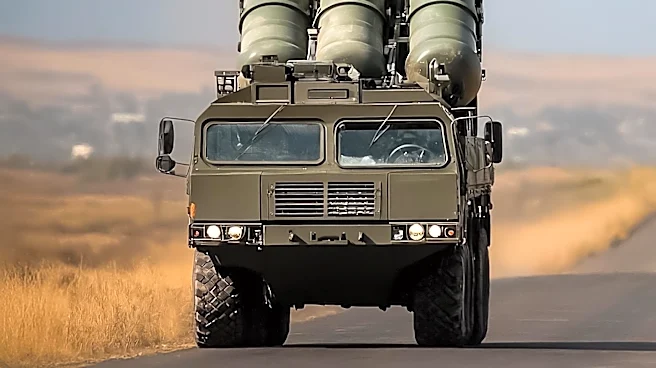
The U.S. military has significantly depleted its stockpiles of missile interceptors, such as Patriot and THAAD systems, due to extensive use in conflicts involving Russia and Iran. This depletion has raised concerns about the ability to maintain comprehensive
missile defense capabilities. The situation is exacerbated by the increasing threat from advanced autonomous drones and ballistic missiles developed by adversaries. The U.S. is now focused on replenishing these critical defense assets to ensure the protection of military and allied infrastructure.
Why It's Important?
The depletion of missile interceptor stockpiles poses a strategic risk to U.S. national security and its ability to defend allies. The reliance on these systems for missile defense underscores the need for a robust and sustainable supply chain. The situation highlights the challenges of modern warfare, where traditional military assets face growing threats from low-cost, high-capability drones and missiles. Addressing these challenges is crucial for maintaining global stability and ensuring the security of U.S. interests.
What's Next?
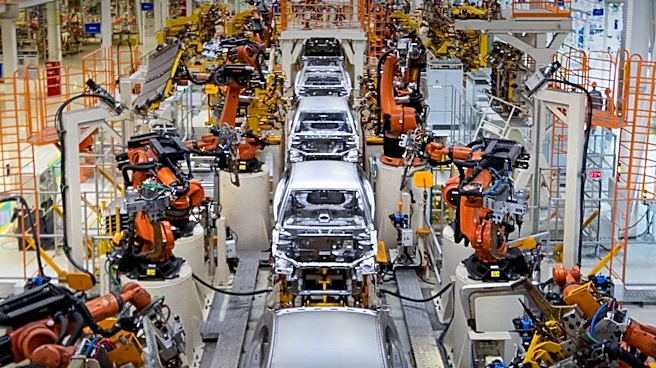
The U.S. is likely to increase investment in missile production and explore alternative solutions to enhance defense capabilities. This may involve expanding manufacturing capacity and introducing new technologies to counter emerging threats. The situation could also lead to increased collaboration with allies to share resources and develop joint defense strategies. Additionally, the U.S. may focus on strengthening its supply chain to ensure the timely replenishment of critical defense assets.