








What's Happening?
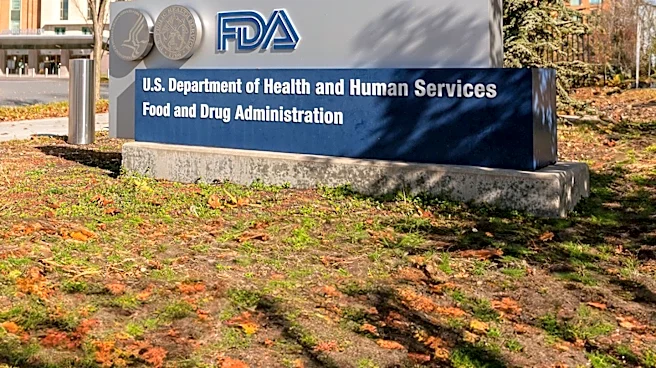
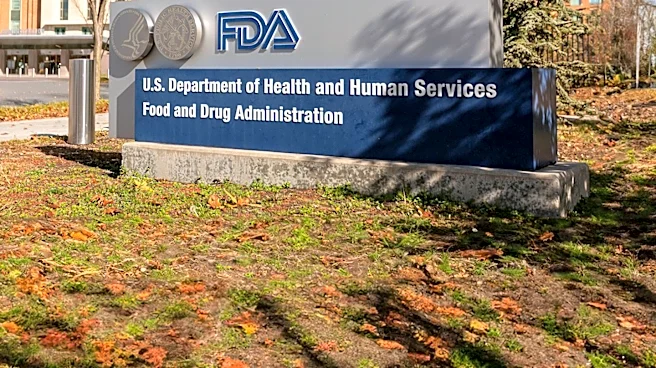
GLP-1 medications, while widely recognized for their efficacy in weight management and diabetes control, are now gaining FDA approval for a wider array of health benefits. For instance, Wegovy, which contains semaglutide, has received FDA approval to
reduce the risk of heart attack, stroke, and cardiovascular death in adults who are obese or overweight and already have heart disease. Similarly, Ozempic, also with semaglutide, is FDA-approved to mitigate the risk of worsening kidney disease, kidney failure, and cardiovascular death in individuals with type 2 diabetes and chronic kidney disease. Zepbound is FDA-approved to treat moderate to severe obstructive sleep apnea (OSA) in obese adults. Additionally, Wegovy has accelerated FDA approval for treating adults with MASH (metabolic dysfunction-associated steatohepatitis) who have moderate to advanced fibrosis but not cirrhosis. These expanded approvals highlight the multifaceted therapeutic potential of GLP-1s beyond their initial indications.
Why It's Important?
The expanded FDA approvals for GLP-1 medications signify a significant advancement in public health, particularly in addressing prevalent and serious conditions in the U.S. Heart disease and stroke remain leading causes of death, and the approval of Wegovy for cardiovascular risk reduction offers a new therapeutic avenue for a large segment of the population. The approval of Ozempic for kidney protection in diabetic patients is crucial, as chronic kidney disease is a major complication of type 2 diabetes, often leading to severe health outcomes. Furthermore, Zepbound's approval for obstructive sleep apnea addresses a condition that affects millions and is closely linked to obesity, offering a non-CPAP treatment option. The accelerated approval of Wegovy for MASH is also vital, as this liver disease can progress to liver failure, and effective treatments are limited. These developments could lead to improved patient outcomes, reduced healthcare burdens, and a shift in treatment paradigms for these interconnected health issues.
What's Next?
The expanded applications of GLP-1 medications are likely to prompt further research into their potential benefits for other conditions. Ongoing studies are exploring their efficacy in curbing alcohol cravings and easing knee arthritis pain, suggesting that future FDA approvals could broaden their use even further. Healthcare providers will need to stay informed about these new indications to appropriately counsel patients and integrate these medications into treatment plans. Insurance coverage for these new uses will also be a critical factor in patient access, potentially leading to discussions and negotiations between pharmaceutical companies, insurers, and healthcare policymakers. The increased demand for these medications for a wider range of conditions may also impact supply chains and manufacturing, requiring careful management to ensure availability for all eligible patients.
Beyond the Headlines
The growing utility of GLP-1 medications underscores a broader shift in medical understanding, moving towards treatments that address multiple comorbidities simultaneously. This holistic approach recognizes the interconnectedness of conditions like obesity, diabetes, cardiovascular disease, kidney disease, and liver disease. The success of GLP-1s in these diverse areas could inspire the development of other multi-target therapies, potentially revolutionizing how chronic diseases are managed. Ethically, the widespread adoption of these medications raises questions about equitable access, particularly given their cost and the potential for off-label use. The focus on weight loss as a primary benefit, while significant, is now being complemented by a deeper appreciation for their organ-protective and systemic health advantages, challenging previous perceptions and highlighting the importance of comprehensive health benefits over singular outcomes.