







What's Happening?
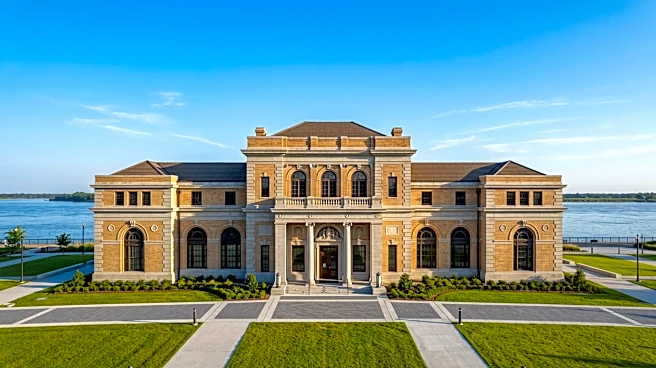
The Louisiana Art and Science Museum in Baton Rouge has introduced a new sensory-friendly program designed to make its facilities more accessible to individuals who experience lights, sounds, and crowds differently. This initiative aims to accommodate
visitors who may be on the autism spectrum or have other sensory sensitivities. According to museum president Karen Soniat, the program aligns with the institution's mission to inspire creativity, encourage discovery, and foster knowledge for all individuals. The museum has reported a positive reception from both families and individuals since the program's launch. The Leo family, who attended to support the program, emphasized its role in making community spaces more welcoming and providing broader learning opportunities for residents of Baton Rouge.
Why It's Important?
This program is important as it addresses a critical need for inclusivity within cultural institutions, ensuring that public spaces are accessible to a wider segment of the population. By creating a sensory-friendly environment, the museum is removing barriers that might prevent individuals with sensory sensitivities, such as those on the autism spectrum, from engaging with educational and cultural experiences. This initiative not only benefits the directly affected individuals and their families but also promotes a more understanding and accommodating community. The positive feedback and the hope expressed by attendees that other businesses will adopt similar practices highlight a growing demand for such inclusive approaches, potentially setting a precedent for other institutions in Baton Rouge and beyond to re-evaluate their accessibility standards.
What's Next?
The success and positive reception of the Louisiana Art and Science Museum's sensory-friendly program could encourage other cultural institutions and businesses in Baton Rouge to explore similar initiatives. The expressed hope from community members, like Cecilia Leo, for the program to extend beyond the museum's walls suggests a potential for broader adoption of sensory-friendly practices across the city. This could lead to increased awareness and implementation of accessibility measures in various public and private sectors, fostering a more inclusive environment for individuals with sensory sensitivities. Future developments might include workshops or guidelines for other organizations interested in replicating the museum's model, further expanding the reach of such beneficial programs.
Beyond the Headlines
The implementation of sensory-friendly programs like the one at the Louisiana Art and Science Museum reflects a broader societal shift towards greater inclusivity and understanding of neurodiversity. Beyond the immediate benefits of accessibility, such initiatives contribute to a more empathetic community by raising awareness about the diverse ways individuals experience the world. It challenges traditional notions of public spaces and encourages a re-evaluation of how environments can be designed to cater to a wider range of human needs. This movement has ethical implications, emphasizing the right of every individual to participate fully in cultural and educational life, and could lead to long-term cultural shifts where inclusivity becomes a standard expectation rather than an exception in public services and entertainment.