






What's Happening?
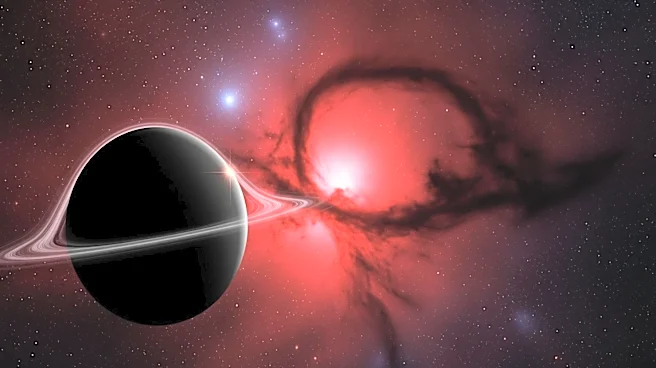
A team of researchers has identified more than 11,000 potential exoplanets using a machine learning algorithm to analyze data from NASA's Transiting Exoplanet Survey Satellite (TESS). This discovery could potentially triple the number of known exoplanets.
The algorithm examined the light curves of over 83 million stars, detecting subtle dips in brightness that suggest a planet transiting its star. Of the 11,554 candidates identified, 10,052 are new discoveries. The study, which has not yet been peer-reviewed, suggests that if all candidates are confirmed, the total number of known exoplanets could reach nearly 18,000. The team also confirmed one candidate, a 'hot Jupiter' exoplanet, using the Magellan telescopes in Chile.
Why It's Important?
This discovery represents a significant advancement in the field of astronomy, showcasing the power of machine learning in space exploration. The potential increase in known exoplanets could provide new opportunities for studying planetary systems and understanding the conditions necessary for life. This research also highlights the capabilities of TESS and similar technologies in expanding our knowledge of the universe. The confirmation of these candidates could lead to a better understanding of planetary formation and the potential for habitable conditions beyond Earth.
What's Next?
The next steps involve confirming the exoplanet candidates through independent surveys and detailed studies, which could take months or years. This process is crucial for verifying the existence of these planets and understanding their characteristics. The findings could influence future missions and the development of new technologies for exoplanet detection. Additionally, the success of this machine learning approach may encourage its application in other areas of astronomical research.