





What's Happening?
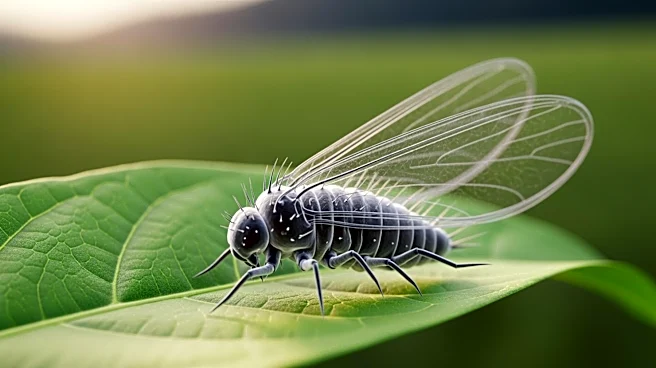
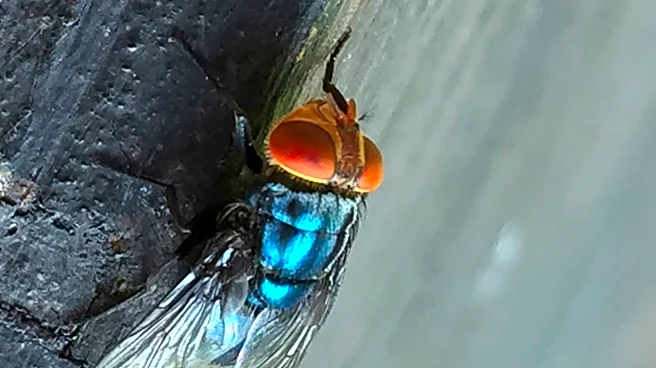
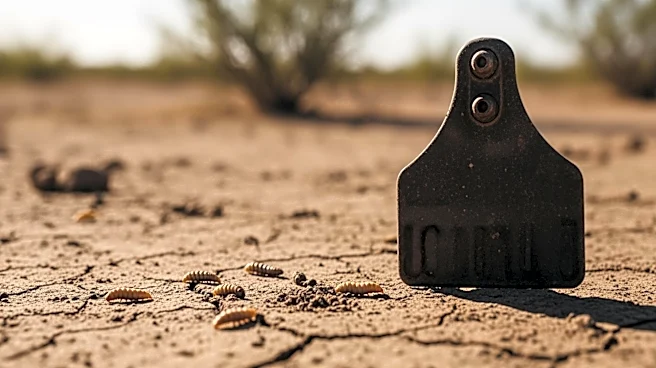
Mexico has imposed a ban on the import of live animals from the United States following the detection of the New World screwworm parasite in Texas and New Mexico. This decision, coordinated with the U.S. Department of Agriculture, affects cattle, horses,
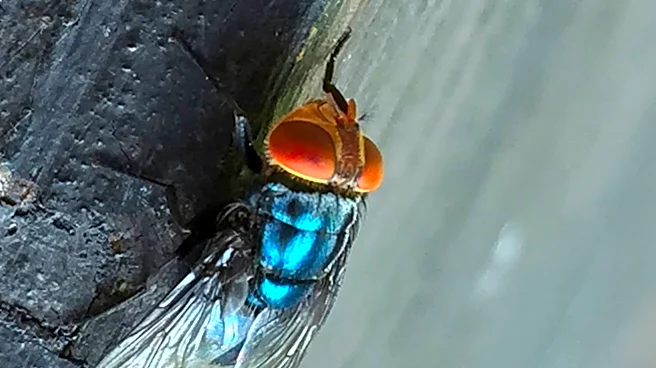
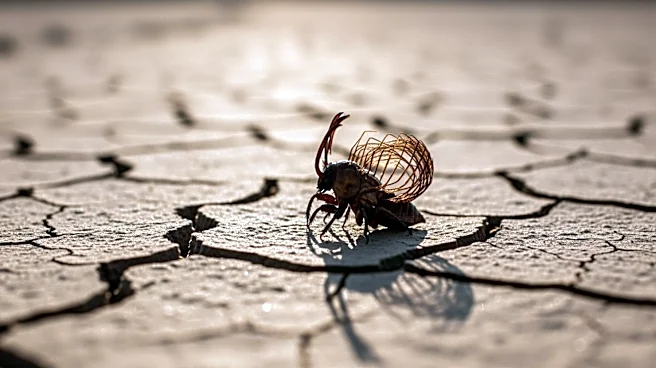
pigs, sheep, and goats. The screwworm, which feeds on the living tissue of warm-blooded animals, poses a significant threat to livestock health. While the overall trade volume affected is small, the ban could severely impact U.S. farmers who rely on Mexico as a market for breeding livestock. The restriction aims to contain the parasite and prevent further spread.
Why It's Important?
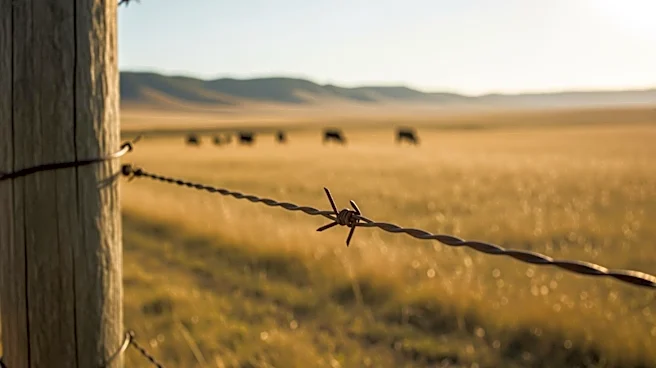
The ban highlights the interconnected nature of the North American livestock industry, where animals often cross borders at various production stages. For U.S. farmers, particularly those in border states, the ban could lead to an oversupply in domestic markets, potentially driving down prices. The disruption also raises concerns about the long-term integration of the cattle industry, as sustained restrictions might shift more of the value chain to Mexico. This could result in economic losses for U.S. producers and alter the dynamics of livestock trade in the region.
What's Next?
The ban will remain in effect while authorities in both countries assess the outbreak and monitor for additional cases. The situation may prompt further regulatory measures to prevent future infestations. Industry stakeholders are likely to advocate for swift action to resume normal trade flows, emphasizing the need for effective pest control and biosecurity measures. The outcome of these efforts will be crucial in determining the future of cross-border livestock trade and the economic stability of affected farmers.