









What's Happening?
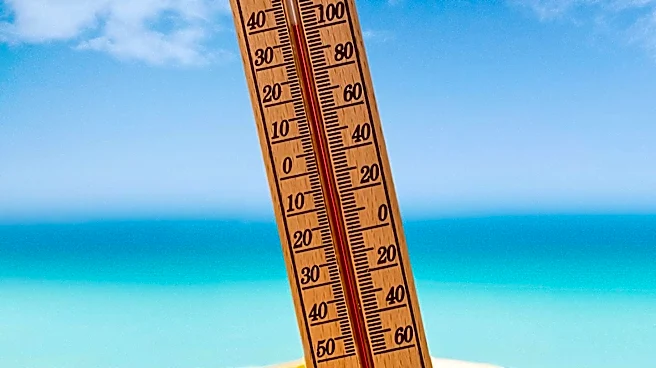
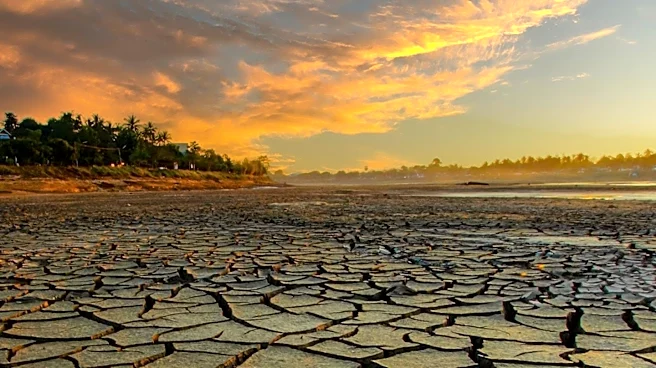
Western Europe experienced its hottest June on record in 2026, with temperatures significantly above average, according to a report by the Copernicus Climate Change Service. The heatwave broke monthly and all-time temperature records in several countries,
contributing to wildfires and heat-related deaths. The report also noted that June 2026 was the second-hottest June globally. The extreme heat was accompanied by marine heatwaves in the Mediterranean and Atlantic, reflecting a climate system accumulating heat. The World Health Organization has highlighted the increasing frequency and intensity of extreme temperature events worldwide.
Why It's Important?
The record-breaking temperatures in Western Europe are indicative of a broader global trend of increasing heat extremes, driven by climate change. These conditions pose significant risks to human health, ecosystems, and infrastructure. The heatwave has strained resources, such as water and energy systems, and threatens food and economic stability. The situation underscores the need for urgent climate action to mitigate the impacts of global warming and protect vulnerable populations.
What's Next?
The ongoing El Niño event could exacerbate global temperatures and extreme weather conditions in the coming months. In Europe, this may lead to warmer-than-normal autumn temperatures, while in the U.S., it could result in increased flooding risks. Policymakers and scientists may need to focus on enhancing climate resilience and adaptation strategies to address these challenges effectively.
Beyond the Headlines
The heatwave raises important questions about the long-term sustainability of current energy and agricultural practices. It also highlights the need for international cooperation in addressing climate change, as the impacts are felt globally. The event could drive policy changes towards more sustainable and resilient systems.