

What's Happening?
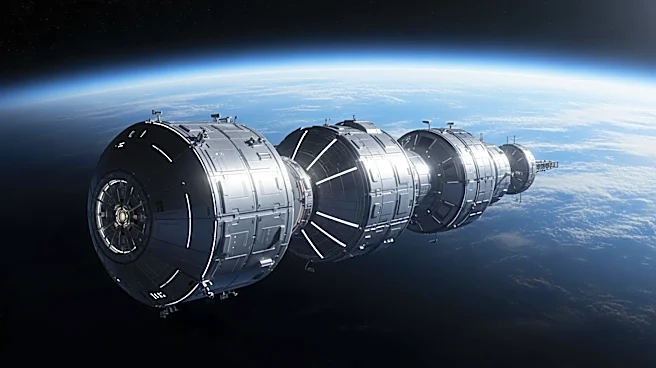
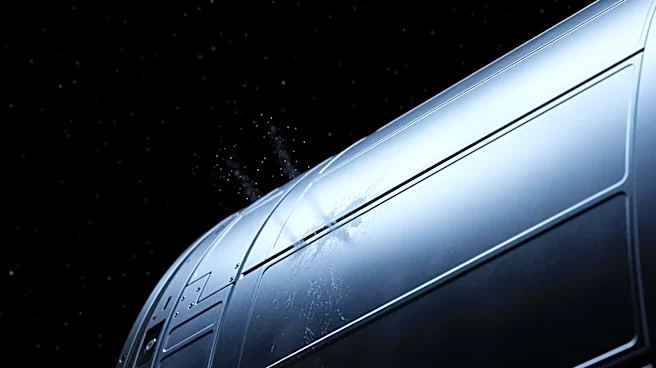
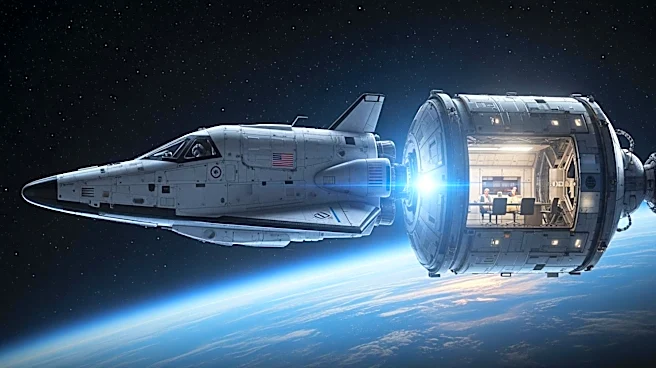
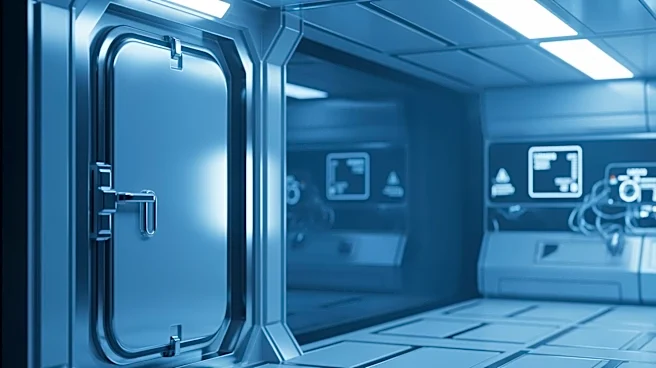
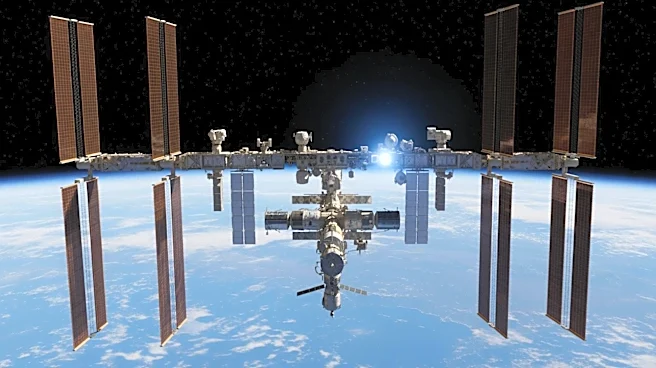
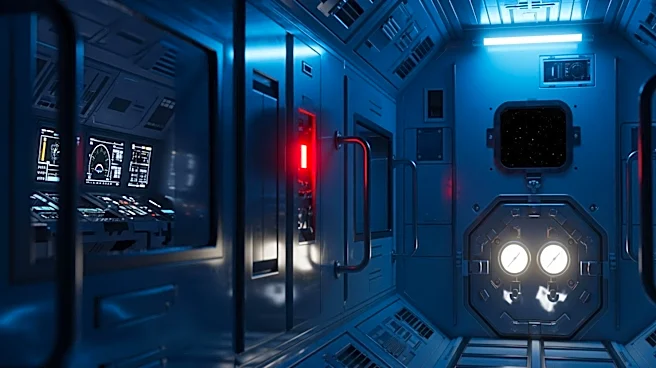
NASA has directed the International Space Station (ISS) crew to temporarily take shelter in the SpaceX Dragon Freedom spacecraft following the detection of an air leak. The leak was traced to the PrK transfer tunnel connected to the Zvezda Service Module,
a critical Russian segment of the ISS. This module, one of the oldest parts of the station, has been experiencing small cracks and material fatigue over the years, leading to a slow but persistent air leak. Recent telemetry data indicated an increase in leakage activity, prompting NASA and Roscosmos to coordinate an emergency response. As a precautionary measure, the crew, including NASA astronauts Jessica Meir, Jack Hathaway, and Chris Williams, European Space Agency astronaut Sophie Adenot, and Roscosmos cosmonaut Andrey Fedyaev, were moved to the SpaceX Dragon Freedom. This action was taken to ensure their safety and provide immediate access to a return vehicle if conditions worsened.
Why It's Important?
The incident underscores the challenges posed by the aging infrastructure of the ISS, which has been operational for over two decades. The station is a vital hub for scientific research and international cooperation, but its structural integrity is increasingly at risk due to prolonged exposure to harsh space conditions. The need for frequent inspections and maintenance highlights the urgency for developing new infrastructure capable of supporting long-term human presence in space. The current situation also emphasizes the importance of international collaboration in space exploration, as NASA and Roscosmos work together to address the issue. The safety protocols in place, such as the use of the SpaceX Dragon as a safe haven, demonstrate the advancements in space travel technology and the preparedness of space agencies to handle emergencies.
What's Next?
Following the stabilization of the immediate risk, the astronauts have returned to normal operations on the ISS, although monitoring of the situation continues. The incident may accelerate discussions on the future of the ISS and the development of new space habitats. NASA and its international partners will likely continue to assess the structural health of the ISS and explore options for extending its operational life or transitioning to new platforms. The event also highlights the potential need for increased investment in space infrastructure to ensure the safety and sustainability of human spaceflight.