




What's Happening?
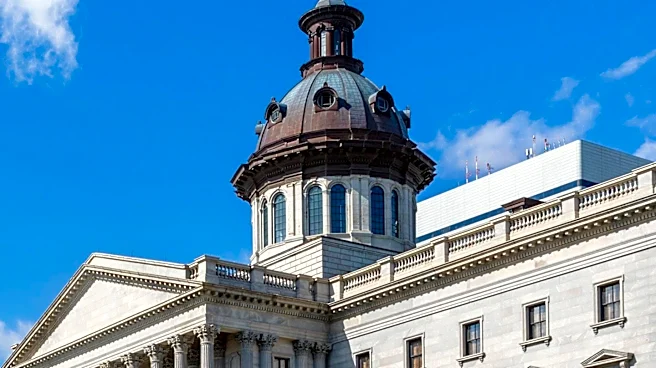
South Carolina Governor Henry McMaster has announced the appointment of 25 individuals to the Governor’s Conservation Commission. This new commission is designed to bring together experts from both the private and academic sectors to provide guidance
on the state's conservation and preservation efforts. The appointees will work alongside ex officio members, including the Director of the South Carolina Department of Natural Resources, the Director of the Department of Parks, Recreation and Tourism, the Chief Resilience Officer, and the State Forester. Established through Executive Order 2026-24, the commission's primary roles include advising the governor and the executive branch on conservation strategies, fostering coordination among state and local agencies, and assisting local governments in setting conservation goals. Additionally, the commission aims to raise public awareness of South Carolina's history and culture, identify potential funding sources, and encourage partnerships between government agencies, businesses, academic institutions, and nonprofit organizations. These appointments come as South Carolina grapples with ongoing growth and development while simultaneously striving to protect its natural resources and cultural heritage.
Why It's Important?
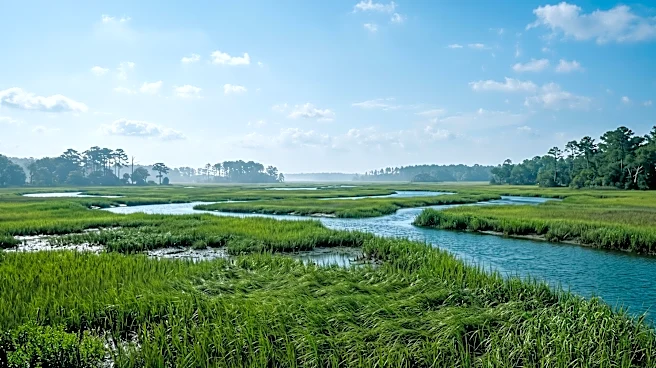
The establishment of the Governor’s Conservation Commission is a significant step for South Carolina in addressing the complex challenges of balancing economic development with environmental and cultural preservation. By integrating private and academic expertise with state agency leadership, the commission is poised to develop more comprehensive and effective conservation strategies. This initiative is crucial for the state's long-term sustainability, as it seeks to protect vital natural resources, such as coastal areas, forests, and wildlife habitats, which are essential for both ecological health and the state's tourism industry. The commission's focus on identifying funding sources and fostering partnerships could unlock new avenues for conservation projects, potentially attracting federal grants, private investments, and philanthropic contributions. Furthermore, by promoting public awareness of South Carolina's history and culture, the commission can strengthen community engagement in preservation efforts, ensuring that future generations appreciate and protect the state's unique heritage. The coordinated approach among various stakeholders is vital to prevent fragmented efforts and ensure a unified vision for conservation across the state.
What's Next?
The newly appointed Governor’s Conservation Commission is expected to begin its work by advising Governor McMaster and the executive branch on key conservation strategies. Their immediate tasks will likely involve developing a framework for coordinating efforts among state and local agencies and assisting local governments in establishing their conservation objectives. The commission will also focus on identifying and securing potential funding sources to support various conservation and preservation projects across South Carolina. A significant aspect of their ongoing work will be to increase public awareness regarding the state's history and culture, which could involve educational campaigns and community outreach programs. Furthermore, the commission is anticipated to actively encourage and facilitate partnerships among government entities, businesses, academic institutions, and nonprofit organizations to maximize resources and expertise. As South Carolina continues to experience growth and development, the commission will play a crucial role in guiding the state's long-term conservation and preservation priorities, ensuring a balanced approach to progress and environmental stewardship.
Beyond the Headlines
The formation of the Governor’s Conservation Commission in South Carolina highlights a growing recognition of the intrinsic link between environmental health, cultural heritage, and sustainable economic development. Beyond the immediate goals of conservation, this initiative could foster a deeper sense of civic responsibility and environmental stewardship among South Carolinians. By involving academic institutions, the commission can leverage cutting-edge research and scientific data to inform policy decisions, moving beyond reactive measures to proactive, evidence-based conservation. The emphasis on public awareness and cultural heritage also suggests a broader vision that connects natural landscapes with the state's historical identity, potentially leading to more integrated tourism and educational programs. This holistic approach could serve as a model for other states facing similar pressures from growth and development, demonstrating how diverse stakeholders can collaborate to protect invaluable natural and cultural assets for future generations. The long-term success of the commission will depend on its ability to navigate political landscapes, secure consistent funding, and maintain broad public support for its initiatives.