






What's Happening?
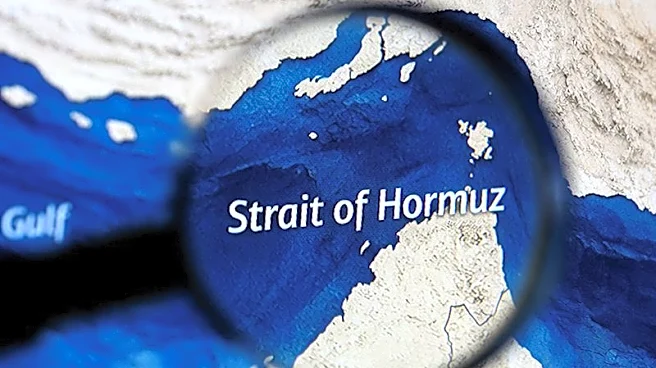
Seven OPEC+ countries, including Saudi Arabia and Russia, have agreed to increase oil production by 188,000 barrels per day starting in June. This decision follows a virtual meeting and comes amid Iran's blockade of the Strait of Hormuz, a critical passage
for global oil and gas trade. The blockade has significantly reduced oil shipments from Gulf producers, impacting global supply. The move also follows the United Arab Emirates' exit from OPEC, which has disrupted the longstanding alliance. The increase in production is part of a commitment to market stability, despite the ongoing geopolitical tensions.
Why It's Important?
The decision to boost oil production is crucial in the context of global energy markets, which are currently strained by the blockade of the Strait of Hormuz. This chokepoint is vital for the passage of about a fifth of the world's oil and gas trade. The disruption has led to increased oil prices and concerns over energy security. The UAE's departure from OPEC further complicates the situation, potentially altering the dynamics within the oil-producing alliance. The increase in production aims to reassure markets and mitigate the impact of reduced supply, but the effectiveness of this measure remains uncertain given the ongoing geopolitical challenges.
What's Next?
OPEC+ plans to hold monthly meetings to assess market conditions and adjust production strategies as needed. The next meeting is scheduled for June 7. The ongoing blockade and geopolitical tensions will continue to influence global oil prices and supply dynamics. Stakeholders will be closely monitoring the situation for any changes in the geopolitical landscape that could affect energy markets. The potential for further disruptions or resolutions in the region will play a critical role in shaping future production decisions and market stability.