








What's Happening?
Bruno Bischofberger, a renowned Swiss art dealer and historian, passed away at the age of 86. Known for his significant contributions to the Neo Expressionist movement, Bischofberger played a pivotal role in introducing American artists to European audiences.
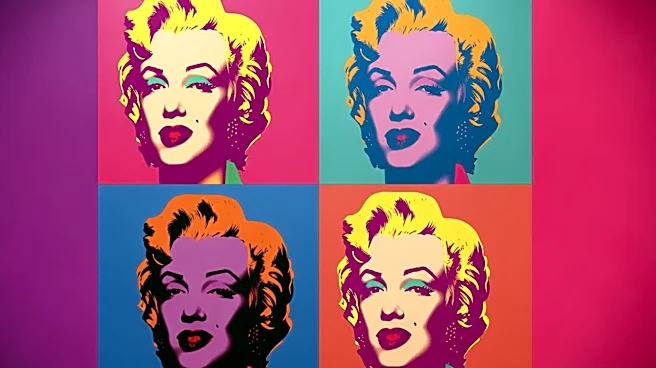
He opened his first art galleries in Zurich and St. Moritz in 1963, becoming the first art dealer in Switzerland's Engadine region. Bischofberger was instrumental in the careers of artists like Andy Warhol and Jean-Michel Basquiat, with whom he had a long-standing professional relationship. His gallery was a key player in the art world, participating in Art Basel from its inception in 1970 until the 2010s. Bischofberger's legacy includes his support for the Neo Expressionist movement and his influence on the art market through strategic collaborations and exhibitions.
Why It's Important?
Bischofberger's death marks the end of an era for the art world, particularly in the context of the Neo Expressionist movement and the global art market. His efforts in promoting American artists in Europe helped shape the trajectory of contemporary art, influencing collectors, curators, and artists alike. Bischofberger's collaborations with iconic figures like Warhol and Basquiat not only elevated their careers but also set a precedent for international art exchanges. His gallery's participation in Art Basel and other major exhibitions contributed to the globalization of the art market, making contemporary art more accessible and appreciated worldwide. The continuation of his gallery's operations and its extensive collection will likely influence future generations of artists and art enthusiasts.
What's Next?
The future of Galerie Bruno Bischofberger remains uncertain following its founder's passing. The gallery, which has been a cornerstone of the art community, may continue to operate under the guidance of Bischofberger's family, who have been involved in its management. The gallery's extensive collection, including works by Warhol and Basquiat, will likely remain a focal point for exhibitions and art historical research. The art world will be watching closely to see how the gallery adapts to this transition and whether it will maintain its influential role in the global art market. Additionally, the impact of Bischofberger's legacy on contemporary art practices and market dynamics will continue to be a subject of interest and study.