
What's Happening?
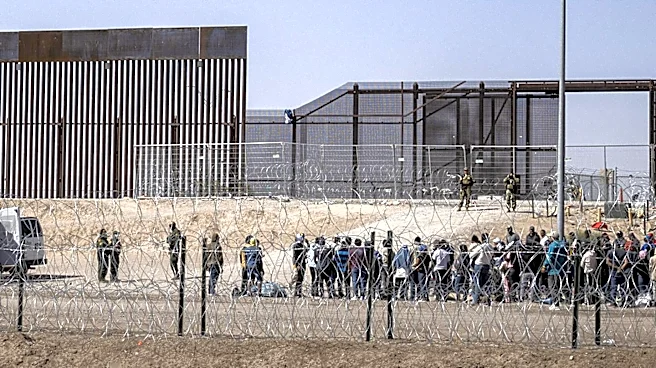
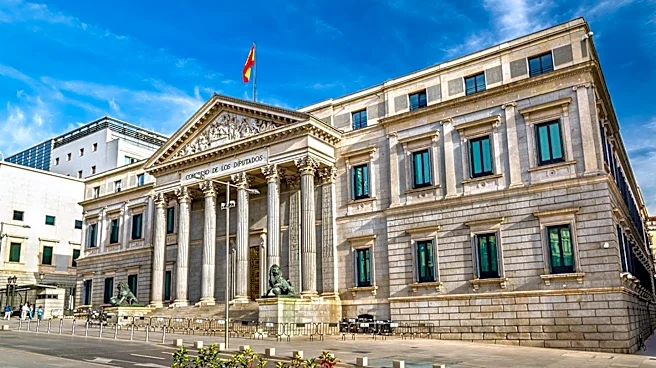
In response to Italy's continued border controls on travelers from Spain, the Spanish government has announced its own set of border checks on Italian arrivals. This move comes amid a diplomatic row triggered
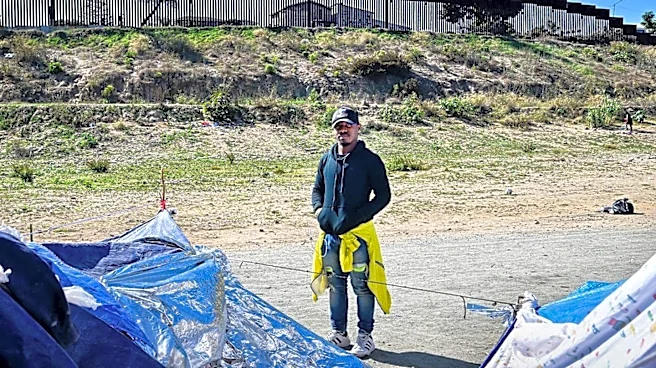
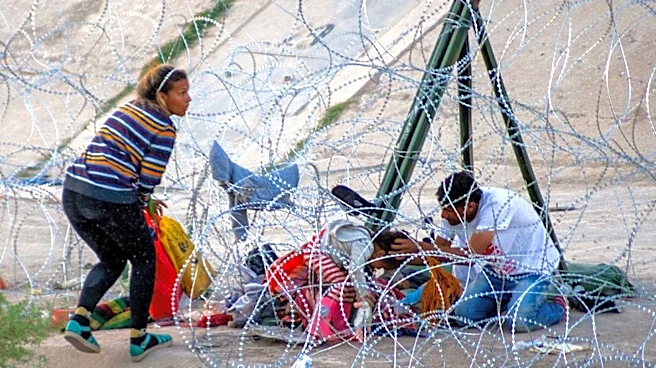
by a mass migrant crossing into Ceuta, a Spanish enclave in North Africa. The Spanish Interior Ministry stated that these checks would begin at midnight Saturday and last until September 7. The checks will involve passport, visa, and nationality verification for Italian passengers and others arriving from Italy. This escalation follows Italy's suspension of Schengen free-movement arrangements with Spain, which was justified by Italy as a measure to safeguard national security.
Why It's Important?
The imposition of reciprocal border checks between Spain and Italy highlights the fragility of the Schengen Agreement, which allows for passport-free travel across much of Europe. This dispute underscores the challenges faced by the EU in managing migration and maintaining internal cohesion. The actions taken by both countries could have broader implications for EU policies on migration and border security, potentially influencing other member states to adopt similar measures. The situation also reflects the ongoing tension between national security concerns and the principles of free movement within the EU.
What's Next?
The Spanish government has warned that it will maintain these border checks as long as Italy continues its restrictions. Both countries are under pressure to resolve the dispute, as prolonged tensions could lead to further disruptions in travel and trade within the EU. The European Union may need to step in to mediate and find a solution that balances national security with the principles of the Schengen Agreement. The outcome of this dispute could set a precedent for how similar issues are addressed in the future, impacting EU migration and border policies.