




What's Happening?
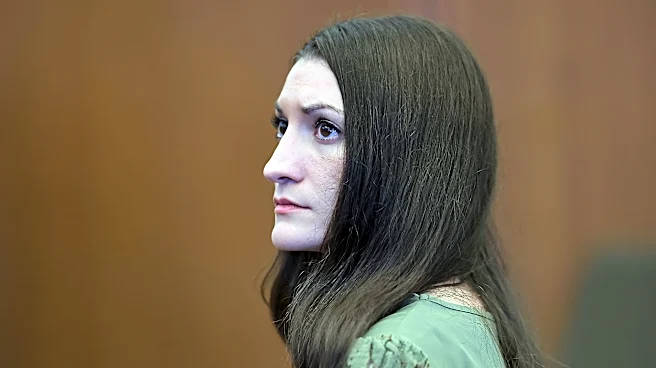
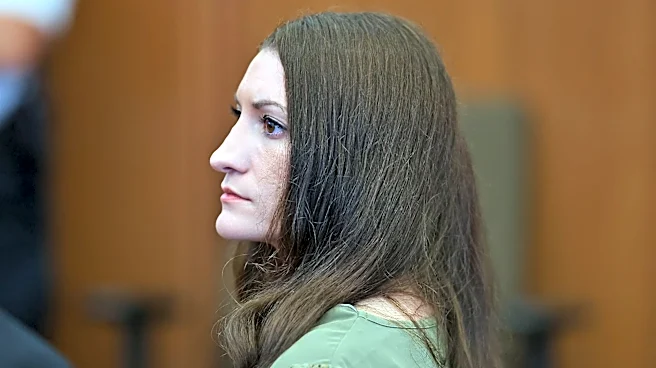
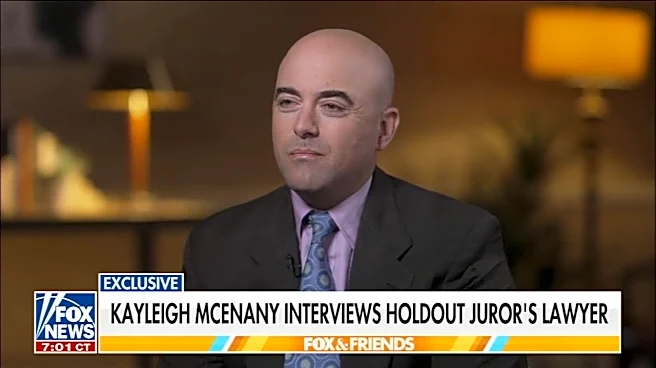
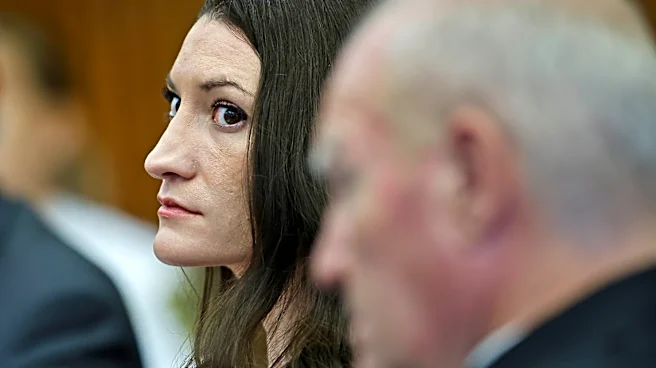
Kevin Reddington, the attorney for Lindsay Clancy, has publicly requested that President Trump consider a pardon for his client. This request follows a mistrial in Clancy's case, where she faced three murder charges for the deaths of her three young children
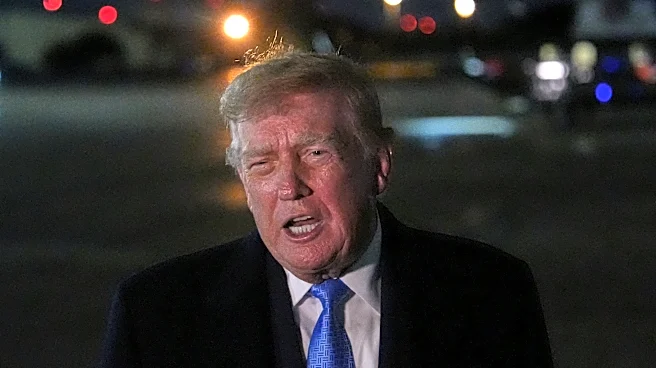
in Duxbury, Massachusetts. The trial concluded with a hung jury after over a week of deliberations. Reddington made his plea during an interview on 'Good Morning America,' urging President Trump to consider Clancy's circumstances and what she has endured. President Trump had previously commented on the trial, acknowledging its widespread media coverage and stating that Clancy would face consequences. However, the White House has referred back to President Trump's earlier comments when asked about Reddington's pardon request. It is important to note that presidential pardons are strictly limited to federal offenses, and Clancy's charges are state offenses, making her ineligible for a presidential pardon. She would instead need to seek relief from Massachusetts state authorities.
Why It's Important?
This development highlights a common misunderstanding regarding the scope of presidential pardon power. The request for a presidential pardon in a state-level case underscores the public's perception, and sometimes misperception, of the President's authority. While the President possesses broad power to issue pardons and commutations, this power is constitutionally confined to federal crimes. This situation brings to the forefront the distinct jurisdictional boundaries between federal and state legal systems in the United States. For Lindsay Clancy, the request, while perhaps a public appeal for sympathy, has no legal bearing on her current situation, as she faces state charges. The case itself has drawn significant national attention due to the tragic nature of the alleged crimes and the defense's focus on postpartum psychosis, sparking broader conversations about mental health and the legal system's approach to such complex issues.
What's Next?
The immediate next step for Lindsay Clancy's case is a court appearance scheduled for September 29. During this session, the defense and the Plymouth County District Attorney, Timothy Cruz, will determine the path forward following the mistrial. Reddington has expressed hope for an agreement with Cruz, suggesting a resolution that would be acceptable to both sides rather than proceeding with a retrial. District Attorney Cruz has not yet announced a decision regarding a retrial, emphasizing that his office focuses solely on the facts, which, in their view, indicate Clancy was in control of her actions when the homicides occurred. The legal process will continue at the state level, as a presidential pardon is not applicable. The outcome of the September 29 hearing will be crucial in determining whether Clancy faces another trial or if an alternative resolution is reached.
Beyond the Headlines
The attorney's public appeal for a presidential pardon, despite its legal inapplicability, serves to keep Lindsay Clancy's case in the national spotlight and potentially influence public opinion. This tactic can be seen as an attempt to garner broader sympathy for Clancy, whose defense has centered on her mental state, specifically postpartum psychosis. The case has already ignited significant public discourse on mental health awareness, particularly postpartum conditions, and how the legal system should address individuals suffering from severe mental illnesses at the time of alleged crimes. The distinction between federal and state jurisdiction, often overlooked by the public, is a critical aspect of the U.S. legal framework. This situation implicitly educates the public on these jurisdictional limits, reinforcing that presidential power, while significant, is not absolute and operates within defined constitutional boundaries.