




What's Happening?
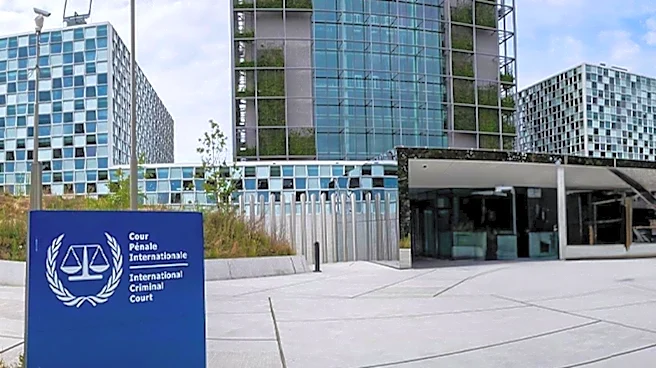
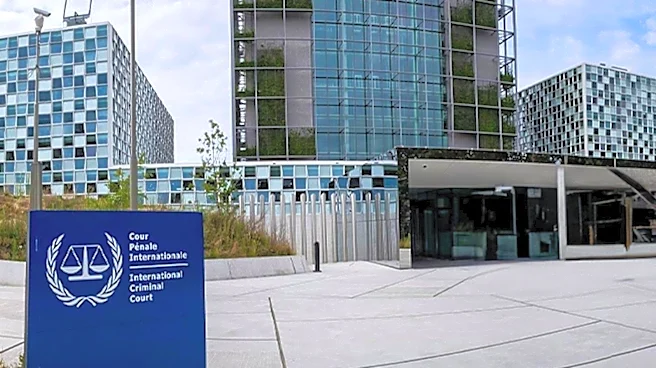
The International Criminal Court (ICC) has terminated the portion of its Afghanistan investigation that could implicate US military and intelligence personnel. This decision, issued on Thursday, restricts the tribunal's inquiry solely to alleged crimes
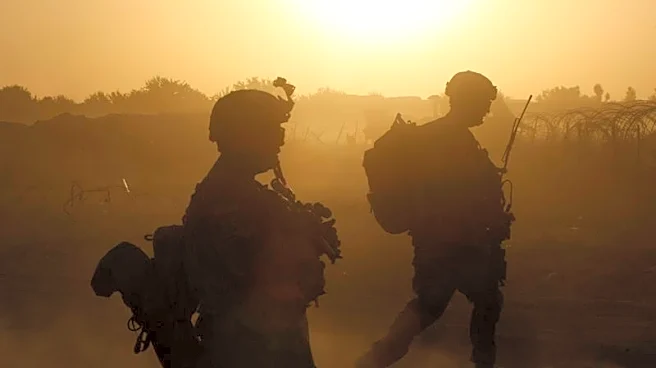
committed by the Taliban. The broader probe, which previously covered alleged offenses by former Afghan government forces, US troops, and US foreign intelligence operatives dating back to 2002, has been formally closed in this regard. Prosecutors have already filed an appeal challenging this decision. The ICC's Appeals Chamber will now determine whether to uphold the narrowed mandate or reinstate the broader inquiry. This move comes amid longstanding legal tensions between the US government and the ICC regarding its jurisdiction over nationals of non-member states. The US has consistently opposed the tribunal's scrutiny of its personnel, arguing that domestic military and federal courts provide sufficient accountability.
Why It's Important?
This decision by the ICC significantly impacts the accountability landscape for alleged war crimes in Afghanistan, particularly concerning US personnel. By closing the investigation into US actions, the court effectively removes a potential avenue for international prosecution of American military and intelligence operatives. This aligns with the US government's long-held position that the ICC lacks jurisdiction over its citizens and that its own legal system is capable of addressing such allegations. However, it could be seen by some as a setback for international justice and a potential double standard, where one set of actors is investigated while another is not. The focus shifting solely to the Taliban underscores the international community's condemnation of their actions, particularly regarding human rights abuses, but it also highlights the complexities and political sensitivities inherent in international legal proceedings.
What's Next?
The immediate next step is the ICC's Appeals Chamber's review of the prosecutors' appeal. This decision will be crucial in determining the final scope of the Afghanistan investigation. If the appeal is rejected, the narrowed focus on the Taliban will stand, and the ICC will continue its proceedings against four senior Taliban leaders for crimes against humanity, including gender persecution. If the appeal is successful, the broader inquiry into alleged offenses by US personnel and former Afghan government forces could be reinstated. This ongoing legal battle will likely continue to draw attention to the delicate balance between national sovereignty and international justice, and the role of the ICC in prosecuting alleged war crimes.
Beyond the Headlines
The ICC's decision has deeper implications for the future of international criminal justice and the relationship between the court and powerful non-member states like the United States. It raises questions about the practical limits of the ICC's authority when faced with strong opposition from nations that do not recognize its jurisdiction. This outcome could set a precedent for how the ICC approaches investigations involving other non-member states, potentially influencing its ability to pursue justice universally. Furthermore, it highlights the ongoing debate about the principle of complementarity, where national legal systems are expected to prosecute crimes before the ICC intervenes. The perceived uneven application of justice could erode public trust in international institutions and complicate efforts to hold all perpetrators of war crimes accountable, regardless of their nationality or political affiliation.