



What's Happening?
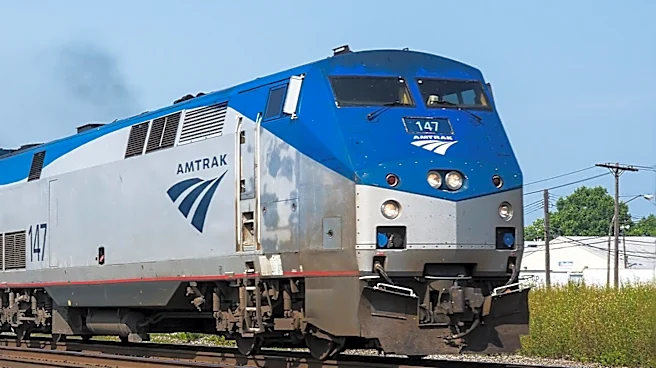
Amtrak is set to implement a new policy in January that will permit more passengers to transport unloaded firearms on certain trains. Under the revised guidelines, passengers must be at least 18 years old and are required to declare both the weapon and ammunition
prior to their journey. The firearms must be secured in a lockbox, to which an Amtrak agent will add an additional lock. These locks will be removed only upon the passenger's arrival at their final destination. This policy will be applicable to specific routes, including those within the Northeast Corridor, marking an expansion of previous regulations regarding firearm transportation on Amtrak services.
Why It's Important?
This policy change by Amtrak carries significant implications for both gun owners and public safety. For gun owners, it expands their ability to travel with firearms, potentially making train travel a more viable option for those who wish to transport their weapons legally. Conversely, the decision may raise concerns among some passengers and advocacy groups regarding safety and security on public transportation. The requirement for firearms to be unloaded, declared, and double-locked aims to mitigate risks, but the presence of more firearms on trains could still be a point of contention. This move reflects ongoing debates about gun rights and public safety in various public spaces and transportation methods across the U.S.
What's Next?
The new policy is scheduled to take effect in January. Amtrak will likely need to clearly communicate the updated procedures to both its employees and the traveling public to ensure smooth implementation. Passengers planning to travel with firearms will need to familiarize themselves with the specific requirements, including declaration processes and approved lockbox types. There may be public reactions from various stakeholders, including gun rights organizations, which might commend the move, and gun control advocates, who may express concerns. Amtrak will likely monitor the implementation and any feedback to assess the policy's effectiveness and impact on passenger experience and safety.
Beyond the Headlines
This policy shift by Amtrak highlights the complex legal and social landscape surrounding firearm ownership and transportation in the United States. It underscores the varying interpretations of Second Amendment rights and how they apply to different modes of public transit. The decision could set a precedent or influence policies in other transportation sectors, potentially leading to broader discussions about firearm carriage on buses, airlines, or other interstate travel options. Furthermore, it reflects a balancing act by Amtrak to accommodate the rights of gun-owning passengers while maintaining a secure environment for all travelers, a challenge faced by many public and private entities in the current sociopolitical climate.