
What's Happening?
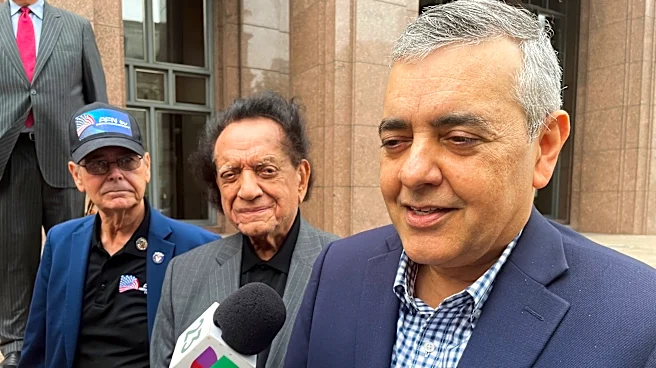
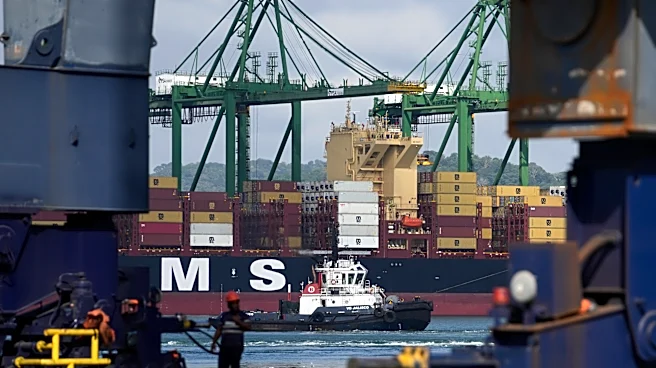
U.S. oil companies Hunt Overseas Oil Company and Crossover Energy have signed agreements with the Venezuelan government to operate in the Orinoco Belt, a major oil-producing region. This development follows
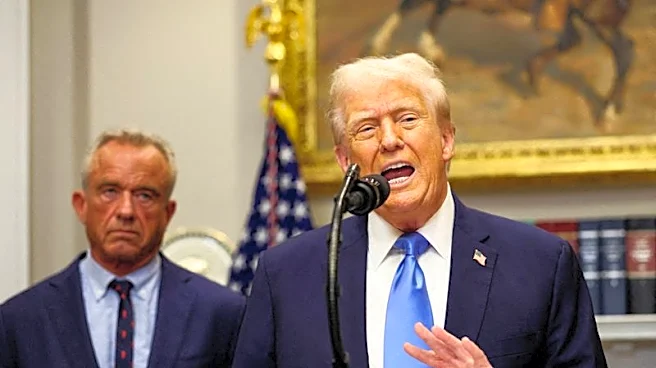
the capture of Nicolas Maduro and the U.S. taking control of Venezuelan oil sales, leading to eased sanctions on operations with PDVSA, Venezuela's state oil firm. The deals were signed in the presence of Jarrod Agen, President Trump's energy adviser. The agreements mark a significant shift as international companies, including European majors like Eni and Repsol, are also returning to Venezuela to explore and boost oil and gas production.
Why It's Important?
The entry of U.S. firms into Venezuela's oil sector represents a strategic move to tap into one of the world's largest crude reserves. This could potentially stabilize global oil markets by increasing supply, which may lead to lower oil prices. For Venezuela, these agreements could provide much-needed economic relief and investment, aiding in the country's recovery from economic turmoil. The involvement of U.S. companies also reflects a shift in geopolitical dynamics, as the U.S. seeks to strengthen its influence in the region and secure energy resources.
What's Next?
As U.S. and European companies re-establish operations in Venezuela, there could be increased competition for access to the country's vast oil reserves. This may lead to further negotiations and agreements, potentially involving more international players. The Venezuelan government may also leverage these deals to negotiate better terms and attract additional foreign investment. Monitoring the political and economic stability in Venezuela will be crucial, as it could impact the success and sustainability of these operations.