
What's Happening?
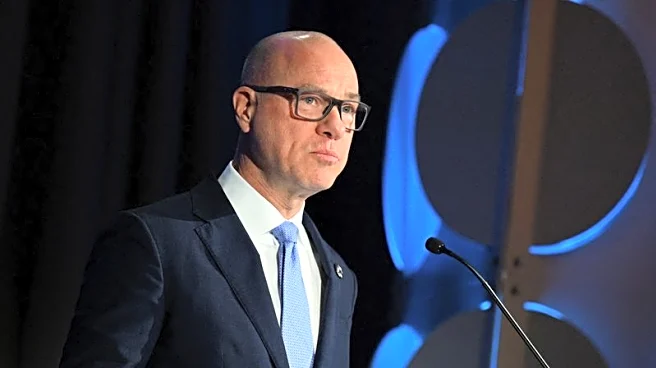
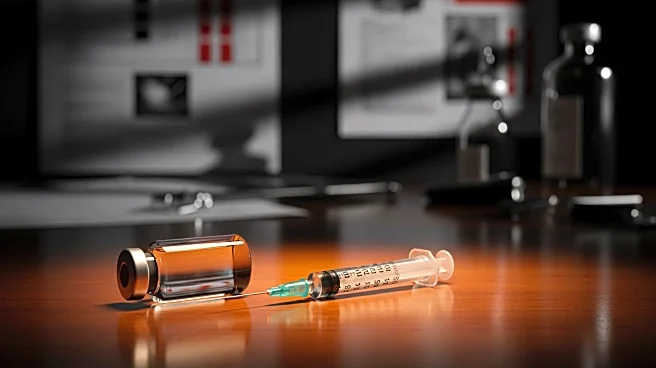
A panel from the Centers for Disease Control and Prevention (CDC) has voted to stop administering the Hepatitis B vaccine to newborns. This decision has sparked controversy and debate among health professionals
and the public. The panel's decision is based on recent evaluations and discussions regarding the necessity and timing of the vaccine for newborns. The move has raised concerns about potential health risks and the implications for public health policy.
Why It's Important?
The CDC's decision to halt the Hepatitis B vaccine for newborns is significant as it could impact public health strategies and vaccination schedules across the United States. This decision may lead to changes in how newborns are protected against Hepatitis B, a serious liver infection. Health professionals and parents may need to reassess vaccination plans, potentially affecting public confidence in vaccination programs. The controversy also highlights the ongoing debates about vaccine safety and efficacy, which are critical in shaping public health policies.
What's Next?
In the wake of the CDC panel's decision, there may be further discussions and reviews by health authorities and experts to evaluate the implications of halting the vaccine. Public health organizations and medical professionals might advocate for or against the decision, influencing future policy adjustments. The decision could also prompt legislative or regulatory responses to address concerns raised by the public and health experts.