






What's Happening?
Residents in a one-mile radius of the East Valley are experiencing a significant cockroach infestation, leading some to consider legal action. Henderson resident Alex Ghanem reported his home has been invaded since Sunday, forcing his family to relocate
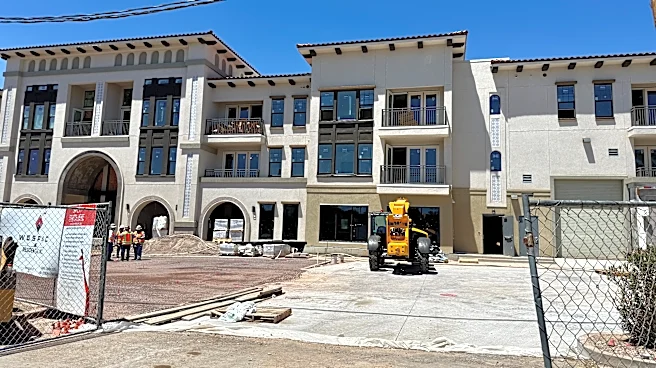
despite pest control efforts. The issue is widespread, affecting multiple neighborhoods, and some residents suspect construction at the nearby Clark County Wetlands as the cause. However, a Clark County spokesperson attributed the increase in insect activity to recent wet conditions rather than construction, while also stating the county is exploring options for insect remediation around the Wetlands. Attorney Matthew Hoffman indicated that residents might have a valid claim for reimbursement of pest control costs if they can prove an external party caused the infestation, particularly if a non-native species was introduced through construction or new materials. He clarified that private homeowners are generally responsible for their own property's pest control, but the situation could differ for apartment tenants.
Why It's Important?
This situation highlights potential legal and public health challenges that can arise from environmental changes or construction in residential areas. If residents can successfully demonstrate that external factors, such as construction activities or the introduction of non-native species, are responsible for the infestation, it could set a precedent for how such issues are addressed and who bears the financial responsibility. The distinction between homeowner and tenant responsibility for pest control, as outlined by Attorney Hoffman, is crucial for understanding property rights and obligations. Furthermore, the county's response, attributing the problem to weather conditions, underscores the complexities of assigning blame and finding solutions in widespread environmental issues. The ongoing infestation not only causes significant distress and financial burden for affected residents but also raises questions about environmental management and public accountability in urban development.
What's Next?
Residents are actively seeking solutions, with some gathering signatures for a petition demanding an investigation into the source of the infestation and assistance from city, county, and pest control agencies. The county has stated it cannot comment on potential litigation. The next steps will likely involve residents pursuing legal avenues to determine responsibility and seek compensation for damages and pest control expenses. Identifying the specific type of cockroach involved will be a crucial first step in any legal case, as it could help pinpoint the origin of the infestation. The outcome of these efforts could influence future policies regarding construction and environmental management in the region, particularly concerning pest control and public health. The ongoing struggle for residents to manage the infestation suggests a need for coordinated efforts between local authorities and affected communities.
Beyond the Headlines
The cockroach infestation in the East Valley extends beyond a mere nuisance, touching upon broader themes of environmental impact, urban development, and community resilience. The debate over whether the infestation is a natural occurrence due to weather or a consequence of human activity, such as construction, highlights the delicate balance between development and ecological preservation. The residents' consideration of legal action reflects a growing trend of communities holding entities accountable for environmental and health impacts. This situation could also prompt a re-evaluation of pest control strategies in urban environments, especially in the face of changing climate patterns and increased development. The collective action by residents, including petitions and potential lawsuits, demonstrates the power of community organizing in addressing local crises and advocating for public health and safety.