



What's Happening?
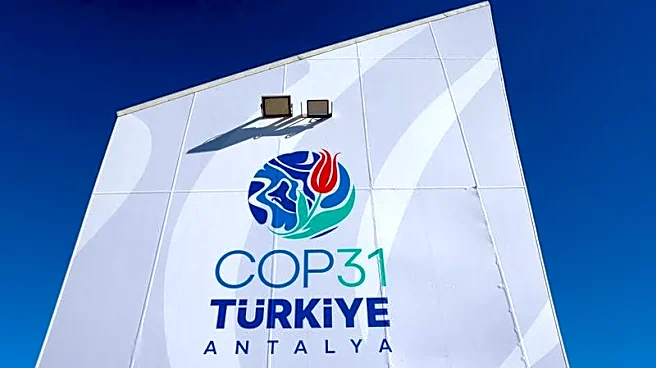
The 31st UN Climate Change Conference (COP31), scheduled for November 2026 in Antalya, Turkey, will feature the ocean and coastal areas as a key focus. This marks a significant shift, as the ocean has historically been underrepresented in international
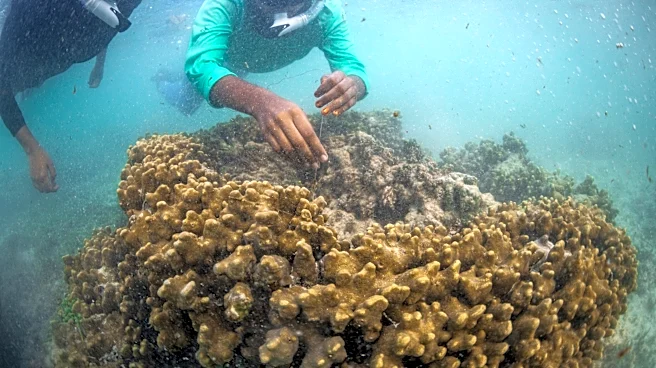
climate agreements, with the Kyoto Protocol not mentioning it and the Paris Agreement referring to it only once. The connection between the ocean and climate is multifaceted: the ocean sequesters 25-30% of human-caused carbon dioxide emissions and absorbs over 90% of excess heat. Marine ecosystems like mangrove forests serve as vital carbon sinks and protect coastlines. Additionally, the maritime industry contributes approximately 3% of global greenhouse gas emissions, making emission reductions in this sector crucial for climate targets. Despite its critical role, the ocean has been sidelined in climate policy due to historical reasons, a lack of early knowledge, and the challenge of international action given that over half of the ocean falls outside any single state's jurisdiction. The issue has also been institutionally fragmented across various international organizations and treaty processes, leading to a lack of clear ownership and coordinated action.
Why It's Important?
The increased focus on the ocean at COP31 is crucial because climate goals cannot be achieved without comprehensively recognizing and addressing the ocean's role. The ocean is not merely a victim of climate change but a significant part of the solution. Full implementation of feasible ocean-based solutions could deliver up to 35% of the emission reductions needed by 2050 to meet the 1.5-degree target. This includes not only future technologies but also concrete solutions available today, such as reducing emissions from shipping, advancing offshore energy production, and sustainable fisheries. The historical underrepresentation of the ocean has led to a lack of funding, with UN Sustainable Development Goal 14 (Life Below Water) being one of the least funded SDGs. Integrating ocean-based solutions into national climate commitments (NDCs) is vital, as many current targets primarily focus on marine conservation and adaptation rather than emission reductions. This shift could unlock substantial opportunities for climate action and funding, impacting global efforts to combat climate change.
What's Next?
At COP31, there is a strong call for the ocean to be prominently included in discussions regarding emission reductions, building resilience, and climate finance. More than 100 countries have signed a letter advocating for the ocean to be treated as a core part of the Paris climate agreement. Negotiators are expected to integrate the latest ocean science into the next global stocktake, which would introduce accountability by establishing ocean-related commitments for countries to report on. There is also an initiative for coastal countries to join the 'Blue NDC Challenge,' committing to meet national climate goals through ocean-based solutions, including greening ports, shipping, and developing offshore renewables. A critical next step involves rapidly transitioning away from fossil fuels, which is considered the most effective way to alleviate pressure on marine ecosystems and coastal economies. Investment flows will need to increase significantly to reflect this ambition, as current financing for marine protection is estimated at $1.8 billion per year, leaving a substantial gap of approximately $14 billion. Mobilizing coalitions to ensure marine protected areas deliver returns through sustainable fishing and tourism is also anticipated.
Beyond the Headlines
The renewed emphasis on the ocean at COP31 signifies a potential paradigm shift in global climate governance, moving beyond an atmosphere-centric approach. This development highlights the ethical imperative to protect marine biodiversity and ecosystems, which are critical for planetary health and human well-being. Legally, it could lead to stronger international frameworks and greater enforcement mechanisms for ocean protection, potentially bridging the fragmentation across various international organizations like the International Maritime Organization (IMO) and the UN Convention on the Law of the Sea (UNCLOS). Culturally, it may foster a deeper global appreciation for the ocean's intrinsic value and its role in sustaining life, moving beyond its perception as merely a resource. Long-term implications include the potential for significant investments in blue economy sectors, driving innovation in sustainable marine technologies, and fostering greater international cooperation on transboundary ocean issues. This could also lead to a re-evaluation of national sovereignty versus shared global responsibility for the high seas, prompting new models of governance for areas beyond national jurisdiction.