







What's Happening?
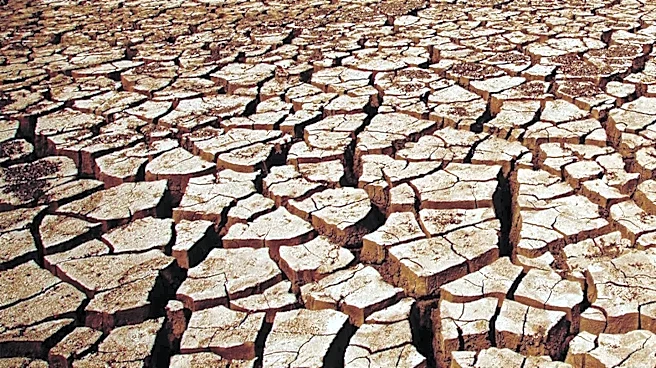
The Wyoming Game & Fish Department has announced adjustments to its pheasant hunting plans in southeast Wyoming for the upcoming fall season, primarily due to prevailing drought conditions and low water levels. At Table Mountain, current conditions have
rendered ponds unsuitable for waterfowl. If these conditions persist, the department plans to release pheasants on the unit throughout the general season to enhance pheasant hunting opportunities. However, if water levels improve and waterfowl begin utilizing the area, stocking locations will be modified to maintain waterfowl hunting opportunities. Furthermore, no pheasants will be released on Walk-In Areas in Goshen, Platte, or Laramie counties this fall. This decision stems from a lack of adequate cover in these areas, attributed to minimal moisture received during the summer. Pheasant stocking will continue at Springer Wildlife Habitat Management Area, Table Mountain WHMA, and Glendo State Park, with specific schedules and requirements for each location. Hunters are advised to review upland game bird regulations before heading into the field.
Why It's Important?
These adjustments by the Wyoming Game & Fish Department highlight the direct impact of environmental conditions, specifically drought, on wildlife management and recreational activities. The decision to alter pheasant stocking plans underscores the department's adaptive approach to conservation, balancing hunting opportunities with ecological realities. For hunters, this means a shift in expected opportunities and locations, requiring them to stay informed about current conditions and regulations. Economically, changes in hunting patterns can affect local businesses that cater to hunters, such as sporting goods stores, lodging, and restaurants. More broadly, this situation serves as a tangible example of how climate patterns influence natural resources and the management strategies required to sustain both wildlife populations and human activities dependent on them. The lack of cover due to drought also points to potential long-term ecological concerns for ground-nesting birds and other wildlife reliant on such habitats.
What's Next?
Hunters planning to participate in the pheasant season in southeast Wyoming should closely monitor updates from the Wyoming Game & Fish Department regarding stocking locations and conditions, particularly for Table Mountain. The department will continue to assess water levels and habitat suitability, which may lead to further adjustments in pheasant release strategies. Hunters in Goshen, Platte, and Laramie counties should be aware that Walk-In Areas will not receive pheasant releases this fall and plan their hunting trips accordingly. The department will likely focus on maximizing opportunities in areas where conditions are more favorable or can be supplemented, such as Springer WHMA and Glendo State Park. Additionally, the ongoing drought conditions may prompt further discussions and strategies for long-term habitat management and water conservation efforts to mitigate future impacts on wildlife and recreational activities.
Beyond the Headlines
The situation in Wyoming extends beyond immediate hunting season adjustments, touching upon broader themes of climate resilience and ecosystem management. The decision to withhold pheasant releases in certain areas due to lack of cover highlights the vulnerability of wildlife habitats to prolonged drought. This could prompt a re-evaluation of habitat restoration projects, focusing on drought-resistant vegetation or water retention strategies to create more resilient ecosystems. Furthermore, the reliance on artificial stocking to maintain hunting opportunities in some areas raises questions about the long-term sustainability of such practices in the face of changing climate patterns. It underscores the need for comprehensive conservation strategies that address the root causes of habitat degradation and water scarcity, ensuring the health of wildlife populations and the viability of outdoor recreational pursuits for future generations. This scenario serves as a microcosm of the larger challenges faced by wildlife managers across the nation in adapting to environmental shifts.