
What's Happening?
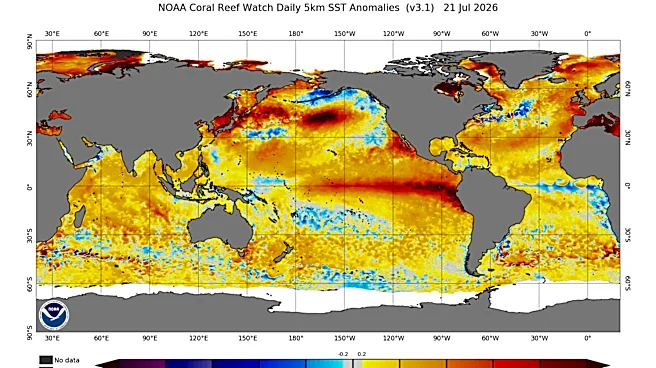
The Galápagos Islands, known for their unique biodiversity, are at the center of studying the effects of the El Niño weather phenomenon. El Niño causes significant temperature increases in the Pacific
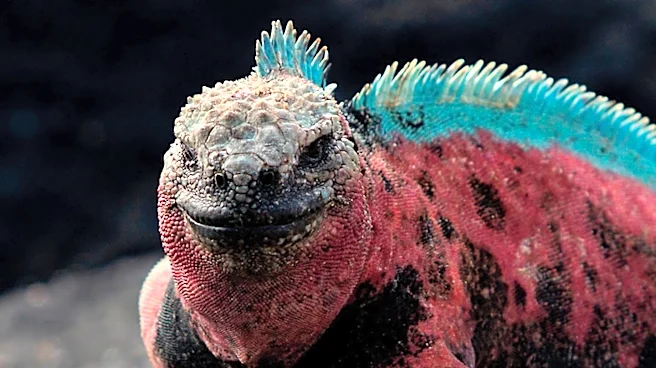
Ocean, leading to drastic changes in marine ecosystems. During El Niño years, water temperatures rise, causing nutrient depletion and population crashes in fish and seabird species. The islands' species, such as marine iguanas and penguins, have adapted to these oscillations, but climate change poses new challenges. Scientists are concerned that more frequent and extreme El Niño events could push ecosystems beyond their resilience, potentially leading to species extinction.
Why It's Important?
The Galápagos Islands serve as a natural laboratory for understanding the impact of climate change on marine ecosystems. The adaptations observed in the islands' species provide valuable insights into how organisms might respond to environmental stressors. As climate change intensifies, studying these ecosystems can inform conservation strategies and help predict the future of marine biodiversity. The research highlights the importance of protecting vulnerable ecosystems and underscores the need for global efforts to mitigate climate change and its effects on biodiversity.
Beyond the Headlines
The study of the Galápagos Islands' response to El Niño offers broader implications for understanding ecological resilience and adaptation. The islands' ability to recover from extreme events provides hope for other ecosystems facing similar challenges. However, the increasing frequency and intensity of climate extremes raise questions about the long-term sustainability of these natural adaptations. The research emphasizes the interconnectedness of global ecosystems and the need for comprehensive climate action to preserve biodiversity.