





What's Happening?
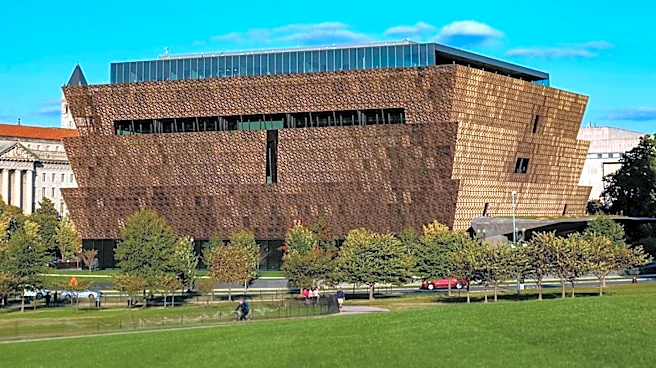
The Trump administration has accused the Smithsonian Institution's National Museum of American History of promoting 'ideological activism' over historical scholarship. A new report from the White House Domestic Policy Council, titled 'Saving America's
Story,' claims that exhibits on race, gender, immigration, and sexuality distort the nation's history. The report is part of President Trump's effort to reshape how American history is presented at federally supported cultural institutions ahead of the 250th anniversary of the United States. The administration argues that the museum's focus on social justice causes deviates from traditional historical narratives. The Smithsonian has defended its exhibits as part of its mission to provide a comprehensive account of American history.
Why It's Important?
This development highlights ongoing tensions between the Trump administration and cultural institutions over the portrayal of American history. The administration's critique reflects broader debates about how history should be taught and remembered, particularly regarding issues of race, gender, and identity. The report's findings could influence public discourse on historical representation and potentially impact funding and policy decisions related to cultural institutions. The Smithsonian's response underscores the challenges faced by museums in balancing diverse historical perspectives with political pressures. This situation may affect how other cultural institutions approach similar issues, shaping the future of historical education in the U.S.
What's Next?
The Smithsonian may face increased scrutiny and potential funding challenges as the administration continues its review of federally supported museums. The institution's commitment to maintaining its curatorial independence will be tested as it navigates these pressures. The broader implications for cultural institutions could include changes in how exhibits are curated and presented, particularly those dealing with contentious historical topics. The outcome of this dispute may set precedents for how government and cultural institutions interact, influencing the landscape of historical education and public memory in the U.S.