


What's Happening?
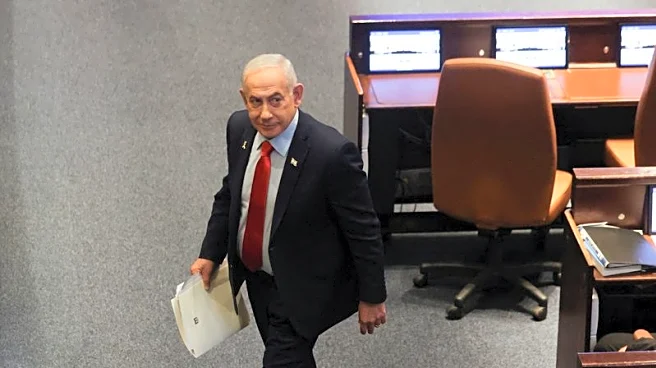
Prime Minister Benjamin Netanyahu has publicly addressed and debunked a conspiracy theory regarding his alleged death. The theory, which originated from Iran's Tasnim News Agency, claimed without evidence that Netanyahu had been harmed. In a video posted
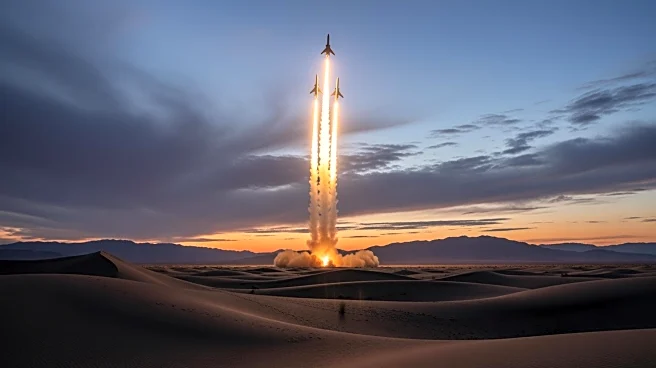
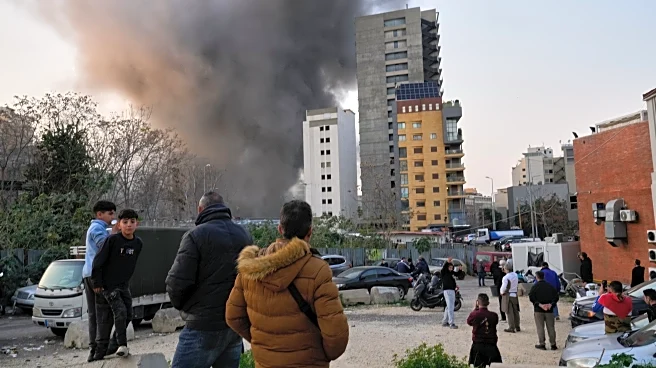
on his official X/Twitter account, Netanyahu humorously responded to the rumors by showcasing his hands to refute claims of an AI-generated video depicting him with six fingers. He emphasized his vitality by stating his love for coffee and his nation, using a Hebrew wordplay that also means 'dead.' Netanyahu further urged the Israeli public to adhere to Home Front Command guidelines, emphasizing the importance of staying near sheltered areas due to ongoing military actions against Iran and Lebanon.
Why It's Important?
This incident highlights the ongoing tensions between Israel and Iran, with misinformation being used as a tool in the geopolitical conflict. The spread of such conspiracy theories can undermine public trust and create confusion during critical times. Netanyahu's response aims to reassure the Israeli public and maintain morale amidst military operations. The situation underscores the broader challenges of information warfare and the impact of social media in disseminating unverified claims. For Israel, maintaining public confidence and operational security is crucial as it navigates complex regional dynamics.
What's Next?
As tensions continue, the Israeli government is likely to maintain its military posture while addressing misinformation. The public is expected to remain vigilant and follow official guidelines to ensure safety. The situation may prompt further scrutiny of social media platforms and their role in spreading false information. Additionally, Israel's military actions in the region could lead to further diplomatic engagements or escalations, depending on the responses from Iran and Lebanon.
Beyond the Headlines
The use of AI and digital manipulation in spreading misinformation presents ethical and security challenges. This incident raises questions about the verification of digital content and the responsibilities of media platforms in curbing false narratives. The interplay between technology and geopolitics is becoming increasingly significant, with potential long-term implications for international relations and domestic stability.