



What's Happening?
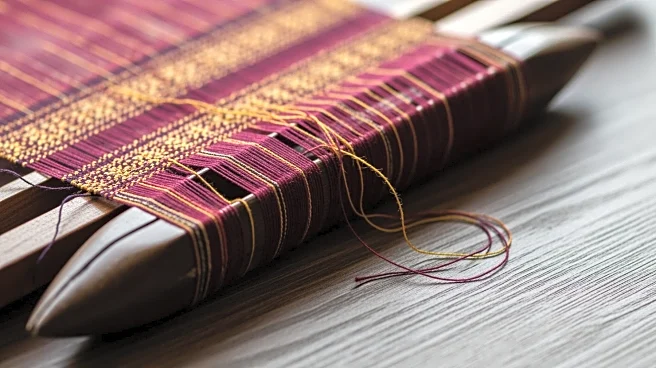
In Bangladesh, the handloom weavers of the iconic Tangail saree are seeking UNESCO heritage status to preserve their traditional craft. The Tangail saree, a cultural symbol of Bangladesh, is crafted using colorful silk and cotton threads in a process
that involves both men and women. However, the craft is facing challenges due to rising raw material costs and competition from cheaper, machine-woven alternatives. The weavers hope that UNESCO recognition will help sustain interest in the craft among younger generations and secure its future.
Why It's Important?
The potential UNESCO heritage status could provide significant cultural and economic benefits to the Tangail saree weavers. Recognition would not only help preserve a centuries-old tradition but also boost the local economy by attracting tourism and increasing demand for authentic handloom products. This move could also inspire younger generations to continue the craft, ensuring its survival. Additionally, it highlights the broader issue of preserving traditional crafts in the face of modernization and globalization.