








What's Happening?
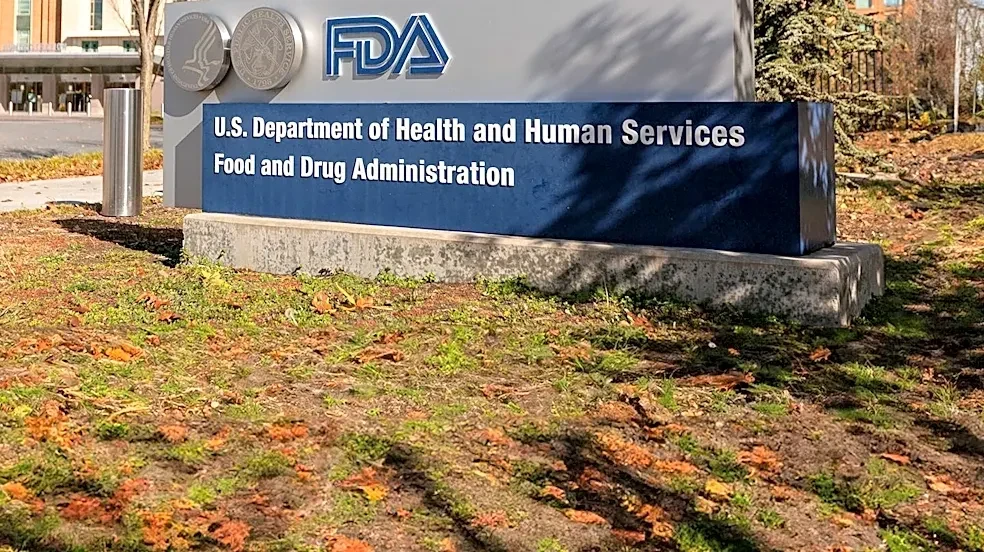
The U.S. Food and Drug Administration (FDA) is grappling with an unprecedented surge in product recalls across various sectors, including medications, food, and medical devices. Recent incidents highlight significant safety concerns, such as the discovery
of stainless steel particles in Baxter Drug's Dextrose Injection and fiberglass in Baxter's Anticoagulant Sodium Citrate Solution. These medications are critical for patient care, with the Dextrose Injection used for IV nutrition at home and the Anticoagulant Sodium Citrate Solution in delicate medical procedures. Beyond human medications, pet food recalls, involving brands like Northwest Naturals and Oma's Pride, and medical device recalls, including Fresenius Kabi's Tyenne injection and Optiray's Ioversol Injection, further underscore a systemic breakdown in product safety and quality control. This situation points to a broader issue of vulnerability within the supply chain and regulatory oversight.
Why It's Important?
This wave of recalls signifies a critical threat to public health and consumer trust in the U.S. The presence of foreign particles in essential medications poses direct health risks to patients, potentially leading to complications or ineffective treatments. For the healthcare industry, these incidents raise serious questions about manufacturing standards, quality assurance, and the integrity of the medical supply chain, potentially leading to increased scrutiny, liability issues, and a loss of confidence from healthcare providers and patients. The recalls in pet food and medical devices extend the concern to a wider range of consumers and industries, indicating a pervasive problem that could impact various sectors of the U.S. economy. The situation also highlights potential weaknesses in the FDA's regulatory capacity, suggesting that resource constraints or policy changes may be hindering its ability to effectively ensure product safety, which could have long-term implications for regulatory frameworks and consumer protection.
What's Next?
In response to the escalating number of recalls, increased scrutiny on the FDA's regulatory processes and resource allocation is anticipated. There will likely be calls for a comprehensive review of current manufacturing and quality control standards across the pharmaceutical, food, and medical device industries. Manufacturers may face heightened pressure to implement more stringent internal safety protocols and invest in advanced detection technologies to prevent contamination. Consumers are advised to remain vigilant and informed about product recalls, actively checking FDA announcements and product safety alerts. Policy discussions may emerge regarding strengthening the FDA's authority, increasing its funding, or revising existing regulations to enhance oversight and enforcement capabilities. The long-term implications could include a push for greater transparency from manufacturers and a more proactive approach from regulatory bodies to safeguard public health.
Beyond the Headlines
The current recall crisis extends beyond immediate product safety concerns, touching upon deeper ethical and systemic issues within the U.S. manufacturing and regulatory landscape. It raises questions about the balance between cost-efficiency in production and the imperative of public safety, suggesting that some manufacturers might be compromising quality for economic gains. The perceived weakening of the FDA's effectiveness, as indicated by the surge in recalls, could erode public trust in governmental oversight and regulatory bodies. This situation might also catalyze a broader societal discussion on consumer rights, corporate accountability, and the role of independent media in bringing such critical issues to light. Ultimately, this trend could lead to a re-evaluation of the entire supply chain, pushing for more resilient, transparent, and ethically sound production practices to prevent future occurrences and restore confidence in essential goods.