



What's Happening?
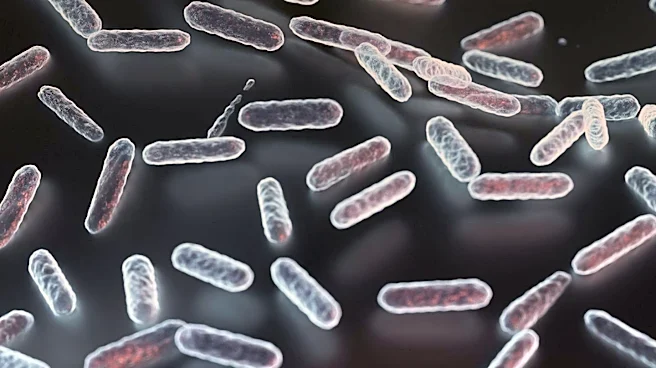
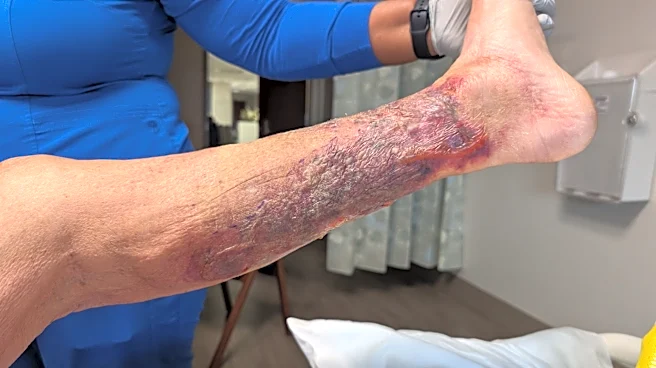
Louisiana health officials have reported a surge in infections from the flesh-eating bacteria Vibrio vulnificus, with nine cases and five deaths confirmed this year. The bacteria, which thrives in warm coastal waters, poses a significant health risk,
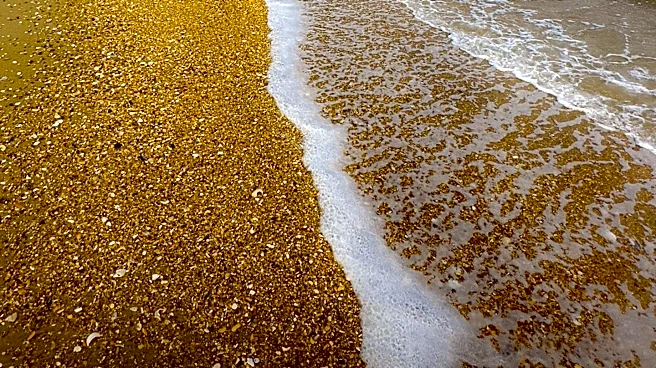
particularly during the summer months. Infections can occur through open wounds exposed to seawater or by consuming raw shellfish. The state's health department has urged residents to seek immediate medical care if they experience symptoms such as redness, swelling, or pain around a wound. The rise in cases is partly attributed to climate change, which has led to warmer ocean temperatures, creating ideal conditions for the bacteria.
Why It's Important?
The increase in Vibrio vulnificus infections in Louisiana highlights the broader implications of climate change on public health. Warmer waters not only facilitate the spread of this dangerous bacteria but also pose a threat to the state's tourism and seafood industries. The situation underscores the need for public awareness and preventive measures to protect vulnerable populations, such as the elderly and those with weakened immune systems. The economic impact could be significant, affecting local businesses and healthcare systems as they respond to the surge in cases.
What's Next?
Louisiana health officials are expected to continue monitoring the situation and may implement additional public health measures to mitigate the spread of the bacteria. Public education campaigns could be intensified to inform residents and visitors about the risks and preventive steps. Researchers may also focus on studying the bacteria's behavior and developing strategies to address the health challenges posed by climate change. The issue could become a focal point in discussions about environmental policy and public health preparedness.