





What's Happening?
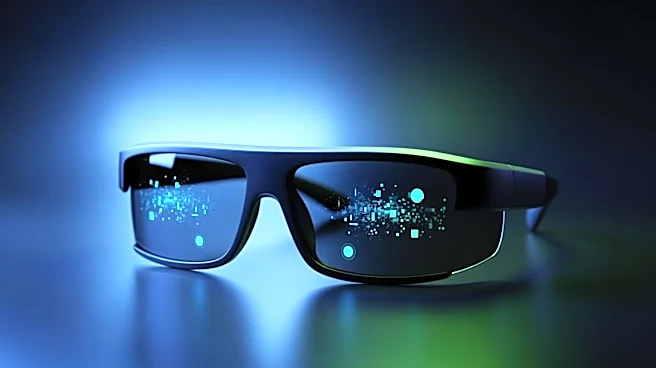
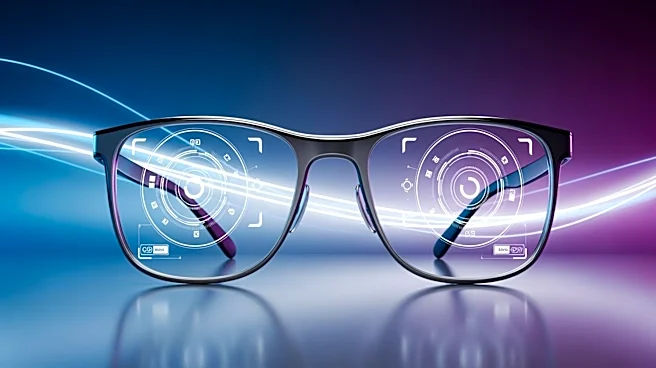
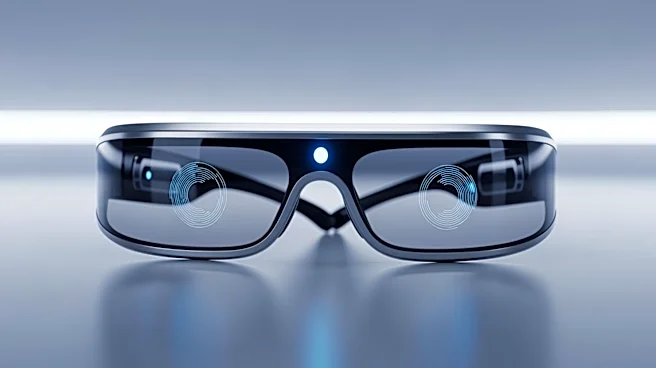
Recent advancements in sensor technology are paving the way for more immersive multisensory communication experiences. Researchers are exploring the integration of advanced sensors that can simulate touch, taste, and smell, enhancing virtual and augmented
reality environments. These developments are part of a broader push towards 6G-enabled immersive communications, which aim to provide hyper-reliable and low-latency interactions. The research highlights the potential of cross-modal communications, where different sensory inputs are combined to create a more holistic user experience. This includes the use of haptic feedback in surgical robotics and wearable devices that provide tactile feedback, enhancing the realism of virtual interactions.
Why It's Important?
The integration of advanced sensors into communication technologies has significant implications for various industries, including healthcare, entertainment, and education. In healthcare, these technologies could improve telemedicine by providing more realistic remote consultations. In entertainment, they could revolutionize gaming and virtual reality experiences, making them more engaging and lifelike. The advancements also hold potential for educational tools, allowing for more interactive and immersive learning experiences. As these technologies develop, they could lead to new business opportunities and drive innovation across multiple sectors.
What's Next?
As research continues, the focus will likely shift towards standardizing these technologies and addressing challenges related to latency and reliability. Collaboration between tech companies, researchers, and industry stakeholders will be crucial in developing practical applications and ensuring widespread adoption. Additionally, there may be a need for new regulatory frameworks to address privacy and ethical concerns associated with the use of multisensory data.
Beyond the Headlines
The development of multisensory communication technologies also raises questions about the potential for sensory overload and the ethical implications of manipulating sensory experiences. As these technologies become more prevalent, there will be a need to consider their impact on human perception and cognition, as well as the potential for misuse in areas such as advertising and surveillance.