





What's Happening?
California's Mendocino Coast, historically a somewhat secluded destination, is now experiencing increased accessibility due to the introduction of new direct flights and significant roadwork funding. This development aims to attract more tourists to the region,
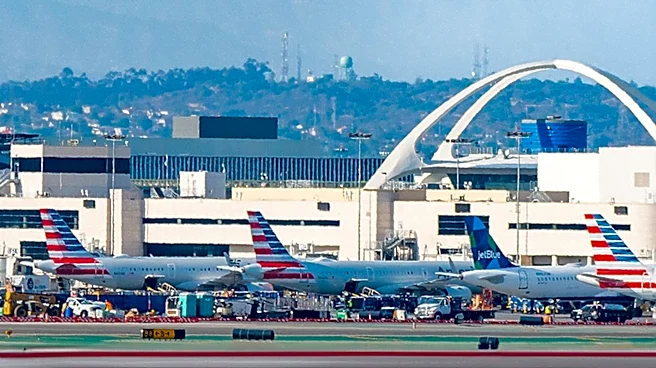
which is situated between San Francisco and the Oregon border. Travelers can now fly into Charles M. Schulz–Sonoma County Airport (STS), which has new routes from cities like Austin, Phoenix, and Salt Lake City via Alaska Airlines, Delta, and Southwest. Alternatively, larger airports such as San Francisco International Airport (SFO), Oakland San Francisco Bay Airport (OAK), or Sacramento International Airport (SAC) are also viable options, typically a three to four-hour drive away. The area offers a variety of attractions, including historical sites like Fort Bragg’s Guest House Museum, natural wonders such as the Mendocino Coast Botanical Gardens and various state parks, and a diverse culinary scene featuring local seafood and beverages. The annual Paul Bunyan Days festival, featuring lumberjack games, is also highlighted as a Labor Day weekend attraction.
Why It's Important?
The enhanced accessibility of the Mendocino Coast is significant for California's tourism sector and local economies. Increased visitor numbers are expected to boost businesses ranging from hospitality and dining to retail and local attractions. The investment in infrastructure, both air travel and road improvements, signals a strategic effort to develop less-trafficked regions, potentially diversifying tourist flow away from more crowded Californian destinations. This could lead to job creation and economic growth in Mendocino County. For travelers, it means a new, more convenient option for a coastal getaway, offering a blend of nature, history, and local culture. The region's appeal as a 'hidden gem' might shift as it becomes more widely known, presenting both opportunities for economic prosperity and challenges related to managing increased tourism while preserving its unique character.
What's Next?
With improved access, the Mendocino Coast is likely to see a gradual increase in tourist arrivals, particularly during peak seasons and long weekends like Labor Day. Local businesses and tourism boards will likely adapt their services and marketing strategies to accommodate the growing interest. Further development in local infrastructure, such as accommodations and dining options, may follow to support the influx of visitors. The region may also need to address potential impacts of increased tourism, such as environmental conservation and managing visitor experiences to maintain the area's appeal. Travelers can anticipate more options for flights and potentially more competitive pricing as airlines recognize the growing demand for this destination.
Beyond the Headlines
The transformation of the Mendocino Coast from a relatively remote area to a more accessible tourist destination reflects broader trends in regional development and tourism. It highlights how strategic investments in transportation infrastructure can unlock economic potential in previously underserved areas. This shift also brings into focus the delicate balance between promoting tourism for economic benefit and preserving the natural beauty and local culture that make such destinations attractive. The Mendocino Coast's ability to manage this growth sustainably will be crucial for its long-term success. It also underscores the evolving preferences of travelers who seek out less crowded, more authentic experiences, driving demand for destinations that offer a blend of natural beauty and local charm.