






What's Happening?
The Trump administration has imposed sanctions on Hengli Petrochemical (Dalian) Refinery, a Chinese 'teapot' refinery, for purchasing Iranian oil. The sanctions are part of a broader effort to pressure Iran amid ongoing peace talks. The U.S. Treasury
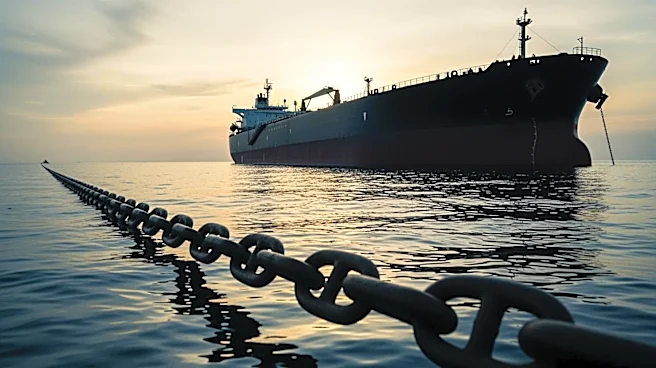
Department's Office of Foreign Assets Control also targeted approximately 40 shipping companies and vessels involved in Iran's oil trade. China has criticized the sanctions, calling them 'illegal' and urging the U.S. to cease using sanctions as a tool against Chinese companies. The sanctions freeze U.S. assets of designated entities and prohibit Americans from engaging in business with them.
Why It's Important?
The sanctions reflect ongoing geopolitical tensions between the U.S., China, and Iran, with significant implications for international trade and diplomacy. By targeting a major Chinese refinery, the U.S. aims to curtail Iran's oil revenue, a critical component of its economy. The move could strain U.S.-China relations, as China is a major consumer of Iranian oil and opposes unilateral sanctions. The sanctions may also impact global oil markets, potentially affecting prices and supply chains. Additionally, the action underscores the U.S. commitment to enforcing its foreign policy objectives through economic measures.
What's Next?
The sanctions could lead to further diplomatic negotiations between the U.S. and China, as both countries navigate the complexities of international trade and sanctions. China may seek to mitigate the impact on its refineries and explore alternative oil sources. The U.S. may continue to monitor and enforce compliance with its sanctions regime, potentially expanding measures to include financial institutions facilitating Iranian oil transactions. The situation may also influence the dynamics of the ongoing peace talks with Iran, as economic pressure remains a key component of U.S. strategy.