




What's Happening?
Portugal's housing market is experiencing significant price increases, with the average asking price for a home reaching €430,500, according to the Imovirtual Barometer. This surge in prices is attributed to a combination of factors, including a shortage
of available properties, high demand, and increased costs of land, construction, and labor. The Professional Association Representing Portugal's Estate Agents (APEMIP) highlights the challenges faced by young people and families in purchasing homes due to these rising costs. Additionally, a state-backed guarantee scheme for young buyers has inadvertently contributed to market imbalances by increasing demand without a corresponding rise in supply. The construction sector is also grappling with labor shortages and rising material costs, further exacerbating the housing crisis.
Why It's Important?
The escalating housing prices in Portugal have significant implications for the country's economy and social fabric. As housing becomes less affordable, young people and families are increasingly unable to purchase homes, potentially leading to long-term socio-economic challenges. The shortage of skilled labor in the construction industry and the rising costs of materials are not only driving up housing prices but also hindering the development of new housing projects. This situation could lead to increased inequality and social tension as access to affordable housing becomes more limited. Furthermore, the government's intervention through state-backed guarantees, while intended to assist young buyers, may need reevaluation to prevent further market distortions.
What's Next?
To address the housing crisis, stakeholders are advocating for a multifaceted approach. This includes increasing the supply of housing through public-private partnerships to bring empty properties back onto the market and expedite construction projects. There is also a call for the government to streamline licensing processes to facilitate quicker development. Additionally, enhancing the training and professionalism within the real estate sector could help ensure fair pricing and transparency. As the situation evolves, policymakers may need to reconsider existing measures, such as the state-backed guarantee scheme, to better balance supply and demand in the housing market.
Beyond the Headlines
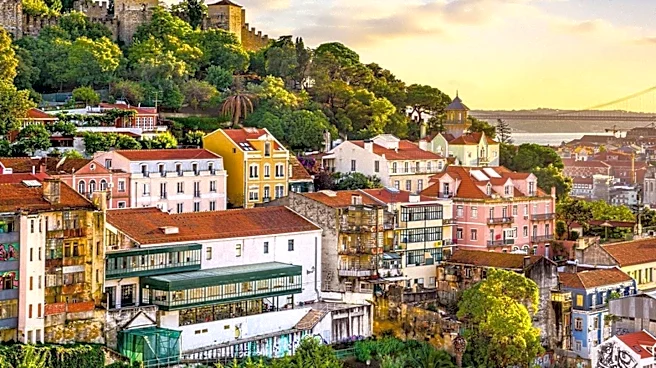
The housing crisis in Portugal highlights broader issues related to urban planning and infrastructure development. As cities like Lisbon face rising housing costs, there is a growing need to develop transport networks and services in less central regions to make them viable living options. This could help alleviate pressure on urban centers and promote more balanced regional development. Moreover, the crisis underscores the importance of sustainable construction practices and the need for innovation in building materials and techniques to reduce costs and environmental impact.