





What's Happening?
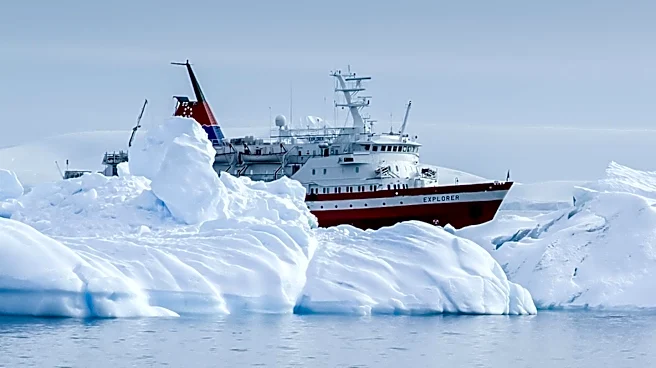
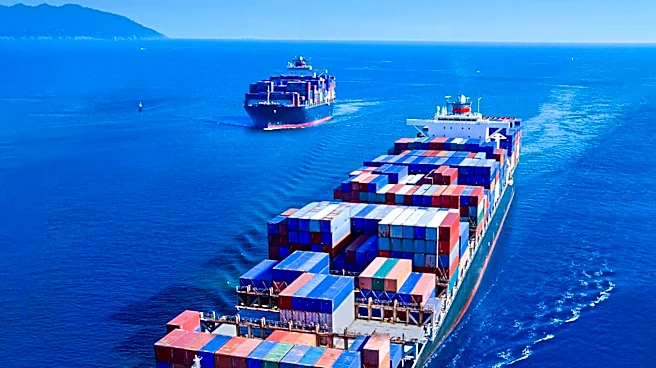
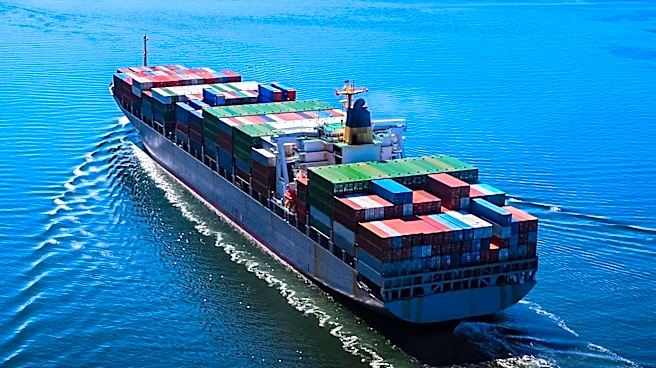
Chinese shipping companies are gearing up for an active season on the Northern Sea Route, with plans to expand their network to include major Western European ports. This expansion builds on previous connections between China and Russian ports in the Baltic
and Arctic. Companies like NewNew Shipping and Sea Legend are leading this effort, deploying vessels such as the NewNew Panda 1 and Xin Xin Hai series to link China with Europe and Russia. The Ministry of Transport in China is also enhancing support by providing 72-hour ice forecasts to aid navigation. This development marks a shift from experimental voyages to more structured seasonal operations.
Why It's Important?
The expansion of Chinese shipping routes through the Arctic is significant as it offers a shorter and potentially more cost-effective alternative to traditional routes like the Suez Canal. This could lead to reduced shipping times and costs, benefiting Chinese exporters and European importers. The institutional support from the Chinese government indicates a strategic interest in establishing a reliable Arctic shipping corridor, which could influence global trade patterns. However, the route's viability is limited by seasonal ice conditions and infrastructure challenges, which could impact its long-term sustainability.
What's Next?
As Chinese operators continue to institutionalize Arctic shipping, the focus will likely be on improving infrastructure and navigation support to ensure safe and efficient passage. The success of this season could encourage further investment in ice-class vessels and port facilities. Additionally, other countries may explore similar routes, potentially increasing competition and collaboration in Arctic shipping. The environmental impact of increased shipping activity in the Arctic will also be a critical area of concern, prompting discussions on sustainable practices.