







What's Happening?
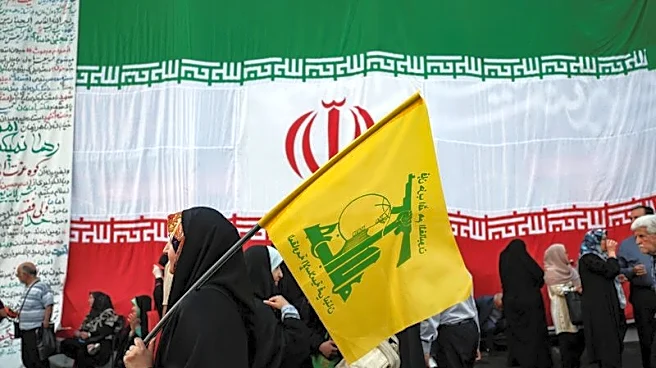
The U.S. government is contemplating the redirection of Iranian assets to fund reconstruction efforts in Gulf states affected by recent Iranian attacks. This move comes amid stalled negotiations for a peace deal to end the three-month-old conflict. Iran has
demanded the release of $24 billion in frozen assets as part of any agreement. The U.S. Treasury is assessing the damage costs and considering using Iranian assets for future repairs. This development follows a series of military exchanges between the U.S. and Iran, with both sides engaging in strikes and counter-strikes.
Why It's Important?
The decision to redirect Iranian assets could further strain U.S.-Iran relations and complicate diplomatic efforts to reach a peace agreement. It highlights the broader geopolitical tensions in the Gulf region, where Iran's strategic maneuvers in the Strait of Hormuz impact global oil markets. The potential use of Iranian assets for reconstruction underscores the U.S.'s commitment to supporting its Gulf allies, but it also risks escalating tensions with Iran, which views such actions as provocative. The situation reflects the complex interplay of military, economic, and diplomatic factors in the region.
What's Next?
The U.S. and Iran are likely to continue indirect negotiations, but the threat of asset redirection could be a significant sticking point. Regional allies may push for a resolution to ensure stability and security in the Gulf. The international community may also play a role in mediating the conflict and facilitating dialogue. Meanwhile, military readiness remains high, with both sides prepared for further confrontations. The outcome of these negotiations will have lasting implications for regional security and economic stability.