






What's Happening?
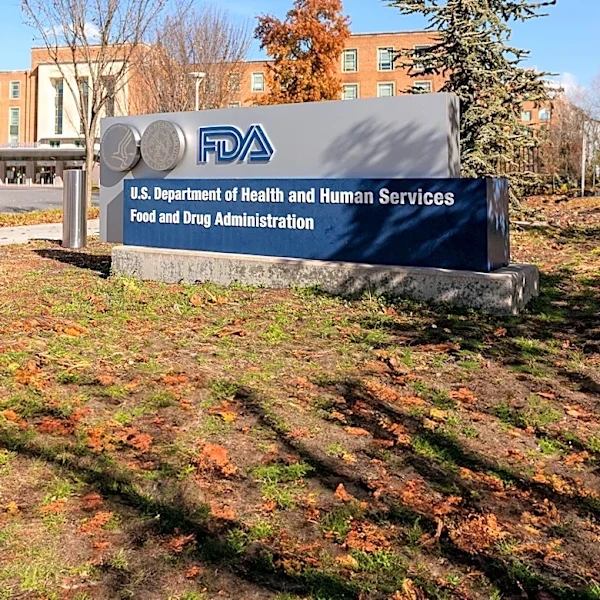
The Federal Communications Commission (FCC) and the Department of Health and Human Services (HHS) have reopened an inquiry into the adequacy of current radiofrequency (RF) exposure rules. This action follows the FCC's closure of a similar inquiry in 2019.
Both agencies are actively seeking public comments, evidence, and data to assess whether existing regulations sufficiently protect against potential health impacts from RF emissions. The inquiry aims to gather comprehensive information on the scientific basis for current exposure limits and to determine if any adjustments or new regulations are necessary. This move indicates a renewed focus on the potential health implications of RF technology and a commitment to ensuring public safety in an increasingly wireless world. The agencies are particularly interested in evidence that supports or refutes the need for changes to the current regulatory framework.
Why It's Important?
This renewed inquiry is significant for several reasons. For the telecommunications industry, it introduces potential regulatory uncertainty and the possibility of new compliance requirements, which could impact product design, deployment strategies, and operational costs. Manufacturers of electronic devices that emit RF, such as smartphones, Wi-Fi routers, and other wireless technologies, could face revised standards for product safety and testing. From a public health perspective, the inquiry addresses ongoing concerns about the long-term effects of RF exposure, potentially leading to updated guidelines that could influence public perception and usage patterns of wireless devices. The outcome could also shape future research priorities and funding in the area of electromagnetic fields and health. The involvement of both the FCC, which regulates communications, and the HHS, which focuses on public health, underscores the broad implications of this issue for both technological advancement and societal well-being.
What's Next?
The immediate next step is the public comment period, during which individuals, scientific organizations, industry groups, and other stakeholders can submit their input and evidence to the FCC and HHS. Following the collection of comments, the agencies will review the submitted information and conduct further analysis. This process could lead to a range of outcomes, including the reaffirmation of existing rules, the proposal of new or revised RF exposure limits, or the initiation of additional research. The timeline for a final decision is not specified, but the comprehensive nature of the inquiry suggests a thorough and potentially lengthy review process. Stakeholders are expected to actively participate in the comment period to advocate for their perspectives and provide relevant data.
Beyond the Headlines
Beyond the immediate regulatory implications, this inquiry touches upon broader societal debates regarding technology, health, and government oversight. It highlights the challenge of balancing technological innovation and widespread adoption with public health concerns, especially when scientific understanding is still evolving. The discussion around RF exposure often involves complex scientific data, public anxieties, and economic interests, making it a multifaceted issue. The outcome of this inquiry could set precedents for how regulatory bodies approach emerging technologies and their potential impacts on human health. It also underscores the importance of transparent scientific discourse and public engagement in shaping policies that affect daily life and future technological landscapes.