





What's Happening?
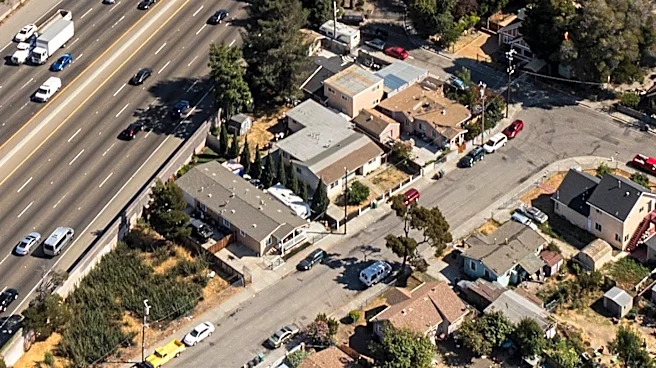
The Center Street neighborhood in Des Moines, once a thriving Black community, was largely destroyed by highway construction and urban renewal projects in the mid-20th century. Richard Duncan, a historian and co-director of the documentary 'The Center Street Story:
Urban Renewal Retrospective,' recalls a vibrant business district with Black owners and patrons where everyone knew each other. The construction of I-235 in the 1950s divided the neighborhood, and the Oak Ridge Urban Renewal project completed its demise. According to Madison DeShay-Duncan, co-director of the documentary, residents were often paid less than the true value of their homes and businesses, forcing them to relocate and often fall into debt. This disruption shifted families from property ownership and entrepreneurship to renting, impacting their descendants' wealth for generations and contributing to economic inequality.
Why It's Important?
This historical account of the Center Street neighborhood is important as it illustrates a pattern of urban planning and infrastructure development in the U.S. that disproportionately affected Black communities. The destruction of successful Black neighborhoods for highway construction and urban renewal projects contributed significantly to wealth inequality and systemic disadvantages that persist today. It highlights how government policies, even those intended for progress, can have devastating long-term social and economic consequences for specific populations. Understanding these historical injustices is crucial for addressing contemporary issues of racial inequality, housing disparities, and economic development in urban areas. The story serves as a powerful reminder of the importance of equitable urban planning and community-centered development that considers the social fabric and economic well-being of all residents.
What's Next?
While the immediate events are historical, the documentary 'The Center Street Story: Urban Renewal Retrospective' aims to ensure that the community's history is not forgotten. The ongoing discussion around such historical injustices can inform future urban planning and policy-making, encouraging more equitable and community-focused development strategies. Efforts to address wealth inequality and housing disparities, which were exacerbated by events like the destruction of Center Street, continue to be critical. This narrative contributes to a broader national conversation about reparations, restorative justice, and the need to acknowledge and rectify past harms. The documentary and related discussions may inspire local initiatives to preserve the history of similar communities and advocate for policies that prevent such disruptions from recurring.
Beyond the Headlines
The story of Center Street goes beyond a simple account of urban development; it delves into the profound and lasting impact of structural racism embedded within urban planning. The loss of property ownership and entrepreneurial spirit in the Black community due to these projects created a ripple effect of intergenerational poverty and wealth disparity. This narrative is a microcosm of how systemic issues can dismantle community cohesion and economic stability, leading to a loss of social capital that is difficult to rebuild. The 'camaraderie' and 'togetherness' described by Richard Duncan represent not just social bonds but also a form of collective resilience and self-sufficiency that was systematically undermined. The documentary serves as a vital tool for historical memory, urging a critical examination of how infrastructure projects are conceived and implemented, and advocating for a more inclusive and just approach to urban development that prioritizes human well-being over mere economic or logistical efficiency.